
How Do You Match a Couch to a Coffee Table?
Your living room is the heart of your home. Two pieces define its look and feel more than any others. These are your couch and the low table in front of it. A great pairing makes the space feel polished, cozy, and intentional. A mismatch can throw off the whole room’s vibe. Many people think matching furniture means buying a full set. That idea is far from the truth. In this guide, we break down simple, practical tips. These tips help you pair these two key pieces perfectly. You need no design degree.
What Is a Coffee Table?
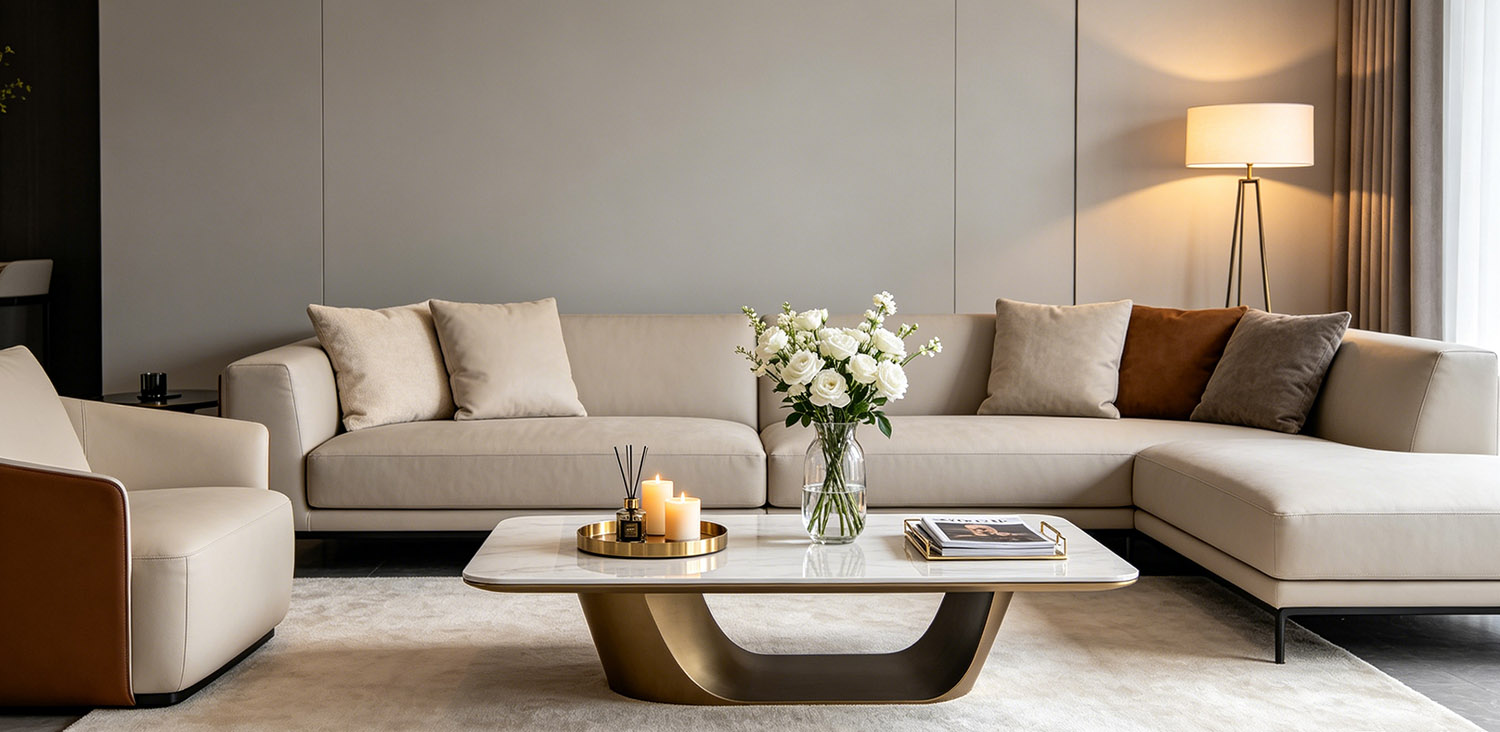
A coffee table is a low, wide table. It sits right in front of your seating area. It is built for easy reach from the couch. It holds everything from morning mugs and snack bowls to books, remotes, and decor pieces. Unlike side tables that sit next to couch arms, this central piece anchors the whole seating zone. It serves both practical and decorative roles in the room.
At its core, it is a functional piece. But it also does a lot for your room’s style. It can tie different furniture pieces together. It adds a pop of personality. It even brings extra storage to small spaces. It is one of the most flexible pieces you can own. It works for movie nights, work sessions, and casual gatherings all in one day.
Types and Styles of Coffee Tables
Coffee tables come in all sorts of styles. They match every home aesthetic. From clean modern picks to cozy rustic pieces, each type brings a different mood to your living room. Knowing the main styles helps you narrow down options. These options will naturally fit with your existing couch.
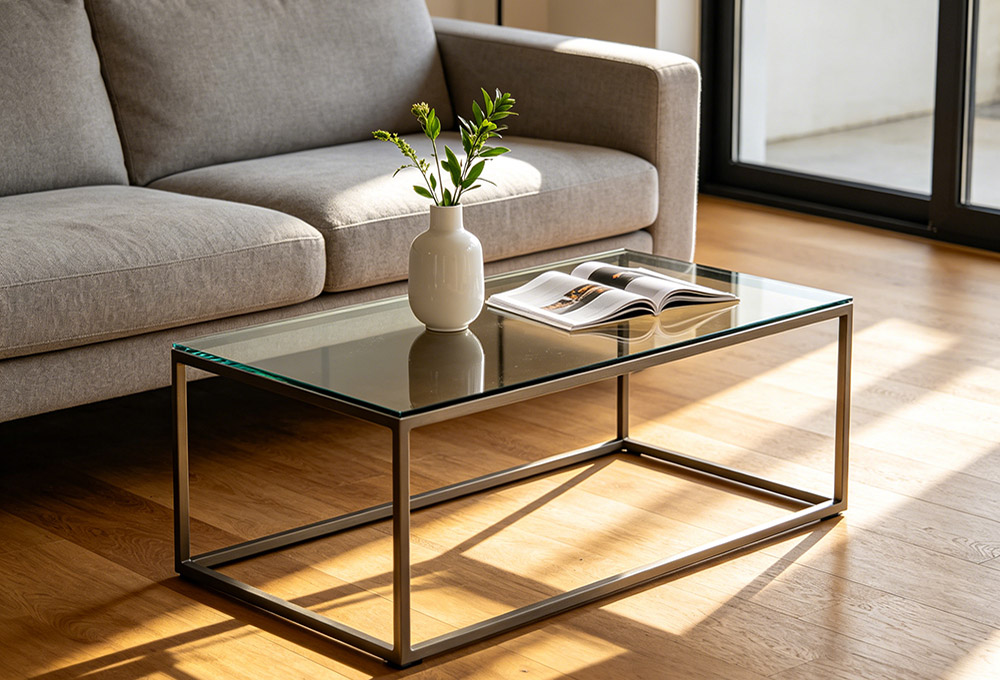
1. Modern: Sleek, simple lines with little decoration, often made of glass, polished metal, or smooth wood.
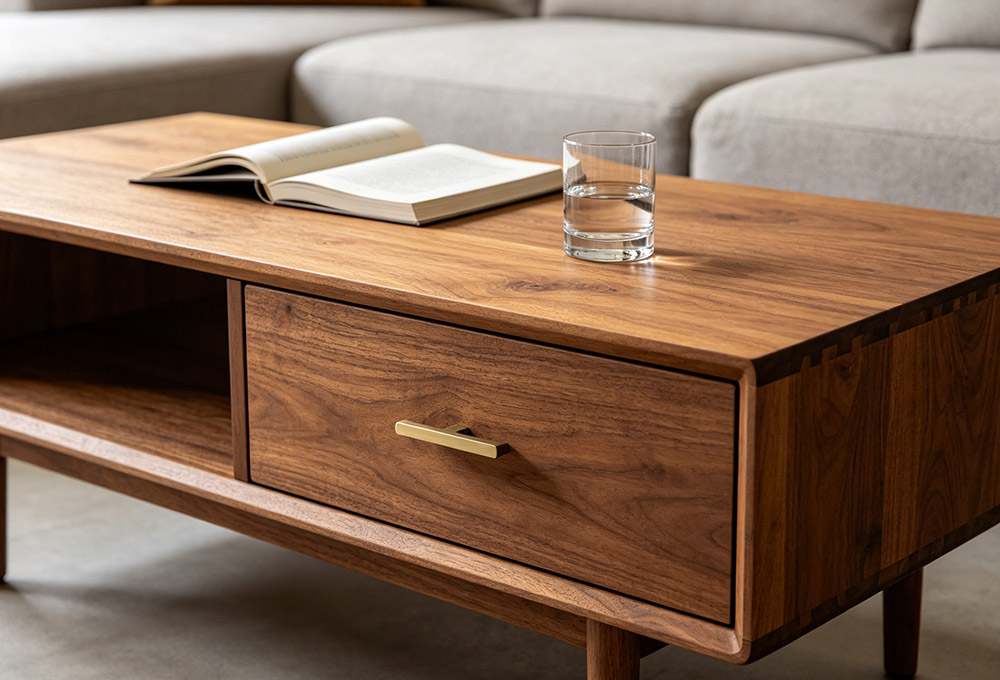
2. Rustic: Natural wood with warm, distressed finishes, perfect for cozy, casual living spaces.
3. Industrial: Mix of metal frames and reclaimed wood tops, with a raw, edgy, loft-inspired look.
4. Traditional: Carved wood details and rich, dark finishes, ideal for formal, classic living rooms.
5. Mid-century modern: Tapered legs and soft organic shapes, a timeless style that works with most couches.
You do not have to pick the exact same style as your couch. But sticking to a similar vibe helps everything feel cohesive. A little contrast is good. Too much clashing style can make the room feel messy and unplanned.
Matching a Coffee Table to Your Couch
Pairing this key piece with your couch comes down to three main things. These are proportion, shared design details, and practical use. It is not about buying a matching set from the same store. It is about creating a pair that looks like they belong together. This pair also works for your daily life.
1. Treat your couch as the anchor of the room, since it is usually the biggest and most noticeable piece.
2. Look for small shared details, like similar leg shapes or matching finish tones, to tie the two together.
3. Think about how you use the space: frequent entertaining needs a sturdier, larger surface.
4. Aim for visual weight balance: a big, bulky couch needs a substantial table, not a tiny delicate one.
5. Feel free to mix styles lightly for a collected, personal look that does not feel generic.
At the end of the day, trust your eye first. If something feels off, it probably is. Stick to basic balance rules. You will end up with a pairing that looks natural and feels great to use.
Proportion and Size Matching Rules
Proportion is the single most important rule for a great couch and table pairing. Even the prettiest pieces will look wrong if their sizes do not work together. Follow these simple guidelines to get the fit just right.
1. Aim for a table length that is about two-thirds the length of your couch for a balanced look.
2. Keep the table height equal to or 1-2 inches lower than your couch seat cushions for easy reach.
3. Leave 12 to 18 inches of open space between the couch and table for comfortable legroom.
4. For sectionals, pick a shape that fits inside the seating footprint without crowding walkways.
5. Small couches and tight spaces work best with round or narrow rectangular tables to keep things open.
Measuring before you shop saves so much time and hassle. These size rules prevent the two most common mistakes. One mistake is a table that looks tiny and lost. The other is one that is so big it makes the room feel cramped.
Material and Texture Pairing Tips
Materials and textures add depth and interest to your living room setup. Mixing textures makes the space feel rich and inviting. But too many clashing materials can feel busy and messy. Here is how to pair them well.
1. Leather couches pair beautifully with solid wood or marble tops for a warm, sophisticated contrast.
2. Soft fabric couches work great with glass or metal frames to lighten up the heavy fabric look.
3. For a cohesive feel, match wood tones between the table and other wood pieces in the room.
4. Use accessories like woven trays or ceramic decor to bridge different materials and tie them together.
5. If you have kids or host often, pick durable, easy-to-clean materials that can handle daily use.
Texture is a quiet design superpower. A good mix of soft and hard, smooth and rough makes a room feel layered and well thought out. You do not need matching materials. You just need ones that complement each other.
Color Coordination Strategies
Color plays a big role in how well your couch and table work together. Whether you love all neutrals or enjoy bold accent pieces, there are easy ways to make colors feel cohesive. You avoid being matchy-matchy.
1. Neutral couches (gray, beige, cream) are super versatile and pair with almost any table color.
2. Dark couches look great with light-colored tops to create contrast and brighten the space.
3. Pull accent colors from throw pillows or wall art to guide your table color choice.
4. Natural wood tones act like neutrals. They work with both warm and cool couch colors easily.
5. Skip exact color matches. Slight differences keep the room from looking flat and boring.
Color matching does not have to be complicated. Stick to the same warm or cool undertones. Use small decor pieces to tie everything together. It is much easier to swap pillows than furniture. So keep big pieces flexible.
Style Pairing for Different Room Themes
Your overall room theme should guide your pairing choices. A table that looks perfect in a bohemian space might feel totally out of place in a minimalist room. Make sure both pieces fit your desired aesthetic.
1. Minimalist rooms: Pair a sleek fabric couch with a simple, clean-lined table in glass or light wood.
2. Farmhouse spaces: Match a plush linen couch with a distressed wood table for that cozy homey feel.
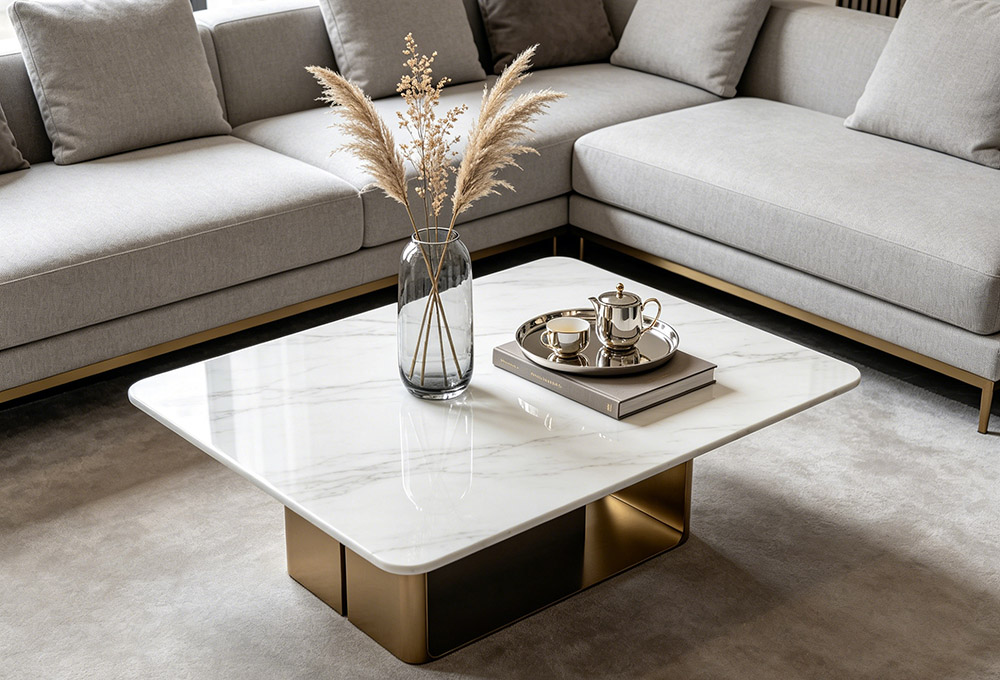
3. Glam living rooms: Velvet couches shine next to marble or mirrored tables for a luxe, elegant vibe.
4. Coastal style: Light, breezy couches pair with whitewashed wood or rattan for a relaxed beachy feel.
5. Eclectic spaces: Mix a classic couch with a unique vintage table for a one-of-a-kind personal look.
When both pieces belong to the same general style family, the whole room feels intentional and put together. You can still add fun, unexpected touches. But a shared style base keeps things from feeling chaotic.
How to Choose the Right Coffee Table?
Choosing the right piece goes beyond just matching your couch. You also need to think about quality, budget, and where to shop. Working with a trusted coffee table supplier ensures you get well-built pieces. These pieces fit your exact needs. This works whether you furnish one home or multiple properties. A good supplier offers a wide range of styles, sizes, and materials. It makes it simple to find something that works perfectly with your couch and space.
1. Measure your couch and living room space first so you know exactly what size you need.
2. Set a clear budget that includes material quality, delivery fees, and long-term durability.
3. Prioritize your needs: do you want extra storage, mobility, or just a simple surface?
4. Check build quality. Solid construction and durable materials last much longer than cheap alternatives.
5. Pick a timeless design that will still work if you rearrange or replace your couch down the line.
For anyone furnishing multiple rooms or looking for better value, wholesale coffee table options are a smart choice. Wholesale suppliers often have broader selections and more competitive pricing. So you can get high-quality pieces that match your couch without breaking the bank.
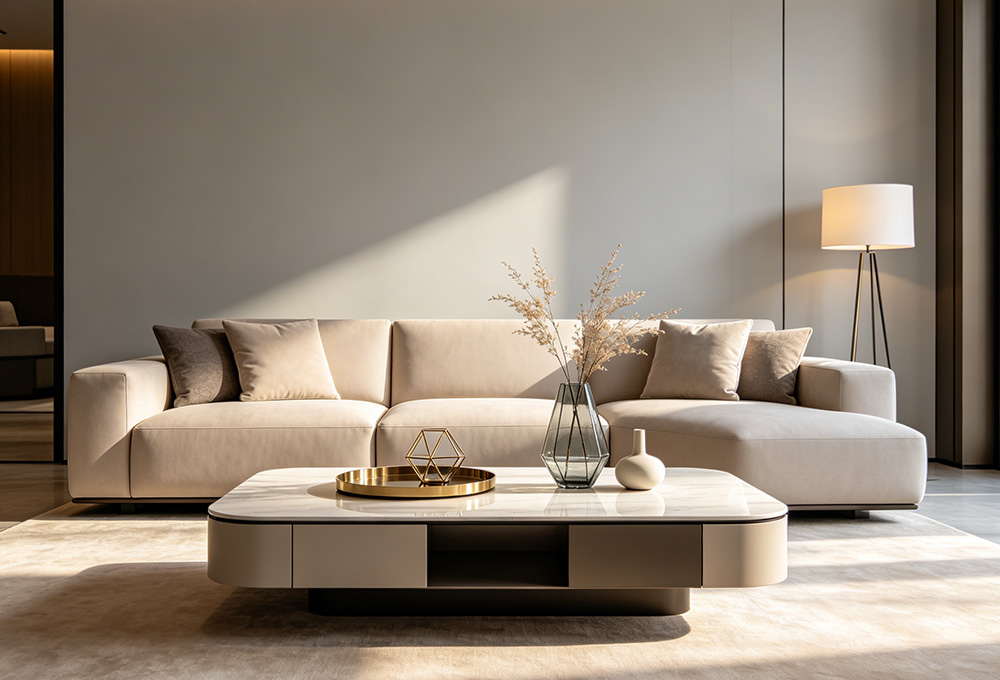
Matching a couch and coffee table does not require a design degree or a huge budget. By focusing on proportion, material balance, color harmony, and shared style, you can create a pairing that looks polished and feels totally personal. Remember, you do not need an exact match. Cohesion and balance are far more important. Take your time. Measure carefully. Work with a reliable supplier to find pieces that fit both your style and your lifestyle.
FAQ
1. Should my coffee table match my couch exactly?
No, exact matches often look flat and generic. It is better to have cohesive design elements like similar proportions or shared finish tones than to buy a matching set.
2. What size table do I need for a 3-seater couch?
For a standard 84-inch 3-seater couch, look for a table that is roughly 54 to 60 inches long. Follow the two-thirds rule.
3. Can I mix wood tones between my couch frame and table?
Absolutely. Mixing wood tones adds depth. Do this as long as you stick to similar warm or cool undertones for a cohesive feel.
4. How far should a table be from the couch?
Aim for 12 to 18 inches of space between the couch seat and the table edge for comfortable legroom and easy reach.
5. Is a round or rectangular table better for a sectional?
It depends on your sectional shape. L-shaped sectionals often work well with square or round tables. Large U-shaped sectionals pair nicely with rectangular ones.