
How to Buy a Mattress?
Have you ever ended a long day tired, ready for bed, but then could not sleep? You might blame stress. However, the real problem is often your mattress. A bad mattress ruins sleep. It can cause back pain and affect your mood. If this sounds familiar, you need a new mattress. Many choices exist. How do you pick the right one? This guide will help you choose.

Confirm Your Bed Size
First, measure your bed frame. A wrong size wastes money. A small mattress leaves gaps. A large one will not fit. Use a tape measure. Write down the length and width. Check if headboards or rails limit the size.
Common sizes are twin, full, queen, king, and California king. Twin fits children or small guest rooms. Full suits teenagers or single adults. Queen is popular for couples. King sizes offer more stretching room.
For custom beds, get precise measurements. Some brands make custom mattresses. These cost more and take time. Also check your frame’s thickness limit. Platform beds may need thinner mattresses. Traditional frames with box springs handle thicker ones. Doing this first saves time.
Understand Mattress Types
Innerspring Mattresses
These use metal coils. Coils spread body weight evenly. They allow air flow, so you stay cool. They also have bounce for easy movement.
But coils can sag over time. They may squeak. They do not shape to your body well. This type is good for people who like a firm, bouncy feel on a budget. It works for guest rooms. Couples should look for thick padding to reduce motion transfer.
Foam Mattresses
These use layers of foam like memory foam or latex. Memory foam shapes to your body. It relieves pressure on shoulders, hips, and back. This helps people with joint pain or side sleepers.
Foam mattresses are quiet. They last 8-10 years. A downside is they can trap heat. Look for gel-infused or open-cell foam to stay cool. They suit side and back sleepers. Stomach sleepers may find them too soft.
Memory Foam Mattresses
These are made entirely of memory foam. They offer deep pressure relief. They mold to body curves, helping chronic pain.
They can retain heat. Newer models add cooling gels. Memory foam has little bounce. It may have a slight smell when new. This type is best for side and back sleepers. Light to medium-weight people suit it best.
Air Mattresses
These use air chambers. You adjust firmness by adding or releasing air. This allows customization. They are portable for guests or camping.
But they can leak. They do not offer long-term support. Use them only occasionally. For regular use, choose a high-quality model.
Know Common Mattress Materials
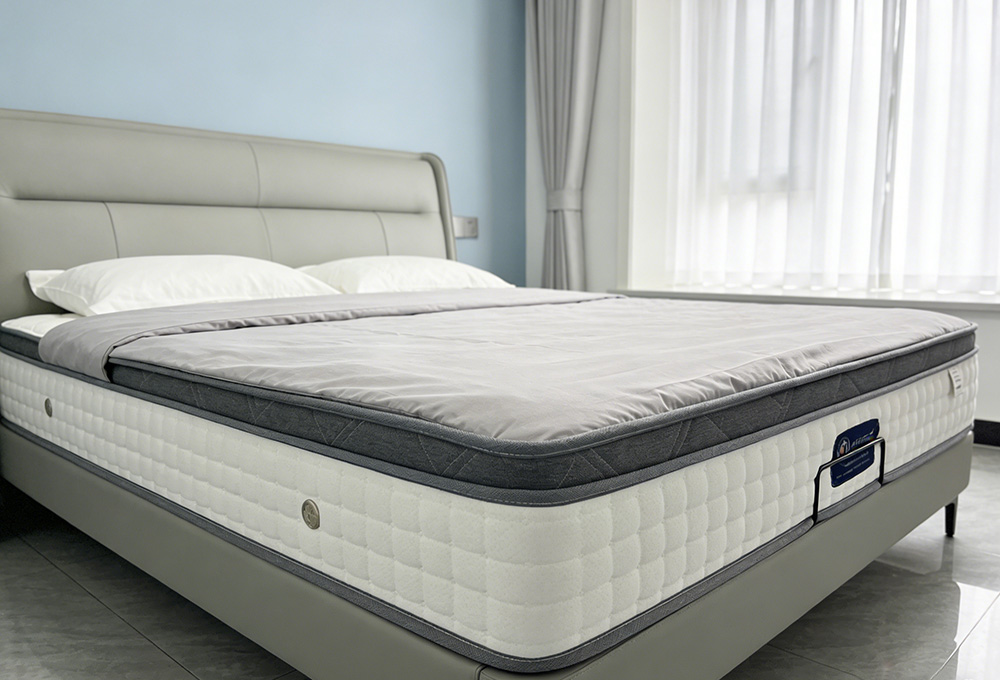
Materials affect comfort, durability, and need. Natural materials like latex, wool, and cotton breathe well. Latex is elastic and hypoallergenic. Wool regulates temperature. Cotton is soft and breathable.
Synthetic materials include polyurethane foam and memory foam. They are affordable. But they can trap heat and may smell initially.
Hybrid materials combine natural and synthetic fibers. For example, latex over foam adds contouring and breathability. This can fix single-material issues.
Choose materials based on your needs. For eco-friendly options, look for GOLS or GOTS certifications. For allergies, pick latex or wool. For cool sleep, choose cotton, latex, or bamboo. On a budget, synthetic materials offer value.
Select Mattress Firmness
Firmness ranges from soft to extra firm. Your sleep position and weight decide the right level.
Soft mattresses (1-3/10) suit side sleepers under 130 lbs. They relieve pressure but lack support for back or stomach sleepers.
Medium-soft (4-5/10) balances softness and support. They fit side sleepers of medium weight (130-230 lbs) and some back sleepers.
Medium-firm (6-7/10) is versatile. It works for back, side, and combination sleepers. It supports the spine and relieves pressure.
Firm mattresses (8-9/10) suit stomach sleepers and people over 230 lbs. They prevent sagging. They are too hard for most side sleepers.
Extra-firm (10/10) gives maximum support. It helps some with back pain. Most people find it uncomfortable.
Match a Mattress to Your Needs
Your sleep position, weight, and budget matter most.
Side sleepers need pressure relief. Pick foam or hybrid mattresses with medium-soft to medium firmness. A 10-12 inch thickness helps. Light side sleepers can choose softer options. Heavier ones need medium firmness.
Back sleepers need spine support. Choose medium-firm to firm mattresses. Hybrid or innerspring with a pillow top works. For back pain, find models with targeted lumbar support.
Stomach sleepers need firm support. Pick innerspring or hybrid with firm to extra-firm firmness. Avoid soft mattresses. Heavier individuals need extra-firm.
Couples should minimize motion transfer. Foam or hybrid models are best. Innerspring transfers more motion. Queen or king sizes help. For different firmness needs, consider split-firmness designs.
Choose a Reliable Wholesale Furniture Manufacturer
Buying wholesale saves money and ensures quality. Follow these steps.
Check the manufacturer’s reputation. Read customer reviews. Avoid brands with many complaints about sagging or poor service.
Verify credentials. Look for CertiPUR-US or GOLS certifications. Good manufacturers share material details like foam density and coil count.
Review warranty and return policies. A reliable offer includes a 5-10 year warranty and a 90-120 night sleep trial. Free shipping and returns are a plus.
Consider specialization. Manufacturers focusing on wholesale bed offer more expertise and options. They invest in research for better quality.

Consider Ease of Cleaning
Clean mattresses ensure hygiene and longevity. Some are easier to clean than others.
Mattresses with removable, machine-washable covers are simplest. Many foam and hybrid models have zip-off covers. Wash these in cold water.
Latex mattresses resist dust mites and mold. Wipe with a damp cloth and mild soap. Do not soak.
Foam mattresses are trickier. Spot-treat stains with water and mild detergent. Blot gently. Vacuum regularly.
How to clean a mattress: Use a mattress protector. Vacuum every 1-2 months. Air out the mattress occasionally. For odors, use baking soda, then vacuum.
Evaluate Durability
A durable mattress saves replacement costs. Materials and construction determine lifespan.
Latex mattresses last the longest. Natural latex lasts 10-15 years. It resists sagging and dust mites. Look for a density of 40-45 ILD.
Hybrid mattresses last 8-12 years. They combine coils and foam/latex. High-quality hybrids have thick coils (12-15 gauge) and dense foam (3-4 lbs/cubic foot).
Innerspring mattresses last 7-10 years. Durability depends on coil count and gauge. More coils (300+) and thicker gauges (12-14) last longer.
Foam mattresses last 7-10 years. Density is key. Memory foam of 3-4 lbs/cubic foot is durable. Avoid cheap foam under 3 lbs density.
Extend mattress life: Use a supportive base. Rotate the mattress every 3-6 months. Do not jump on it. Clean it regularly.
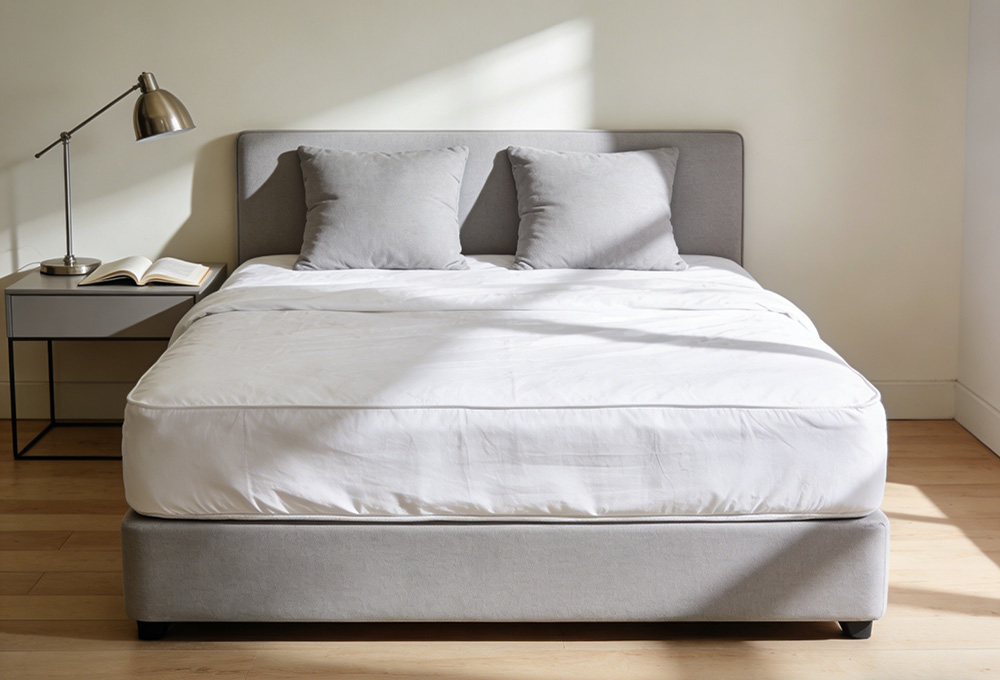
Buying the right mattress is straightforward. Start with your bed size. Learn the types and materials. Match firmness to your sleep position and weight. Choose a reliable wholesale manufacturer for value. Consider cleaning and durability. A good mattress is a long-term investment in rest and health.