
How to Clean a Mirror?
Every day, you see your bathroom mirror. With use, it becomes blurry. Water or a towel alone does not restore brightness. The reason is an incorrect cleaning method. This article explains proper mirror cleaning. If you want a streak-free shine, continue reading.
Why Do Mirrors Get Dirty?
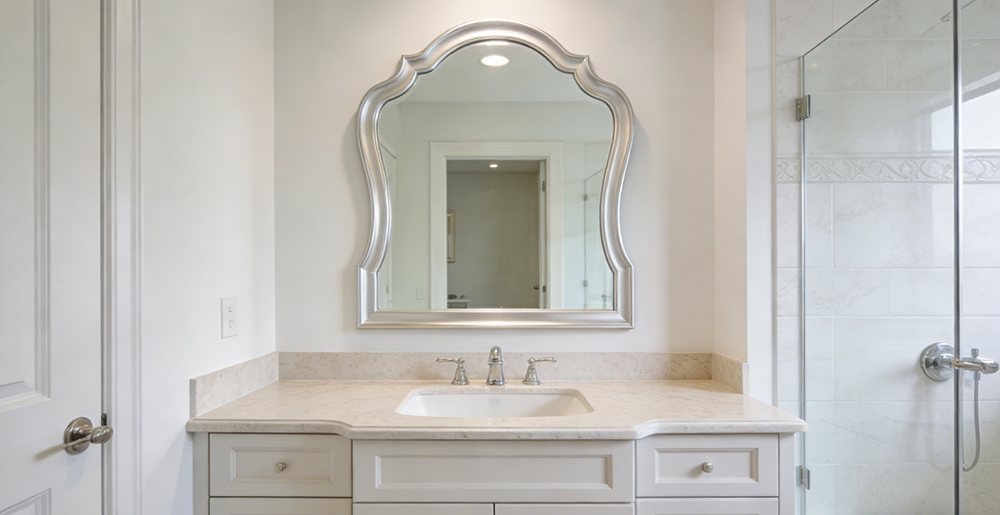
Mirrors collect dirt from daily use. Bathroom mirrors often become dirty because the air is moist. Hot showers produce steam. Steam condenses on the mirror. When it dries, it leaves water spots and mineral deposits. Over time, these make the mirror hazy.
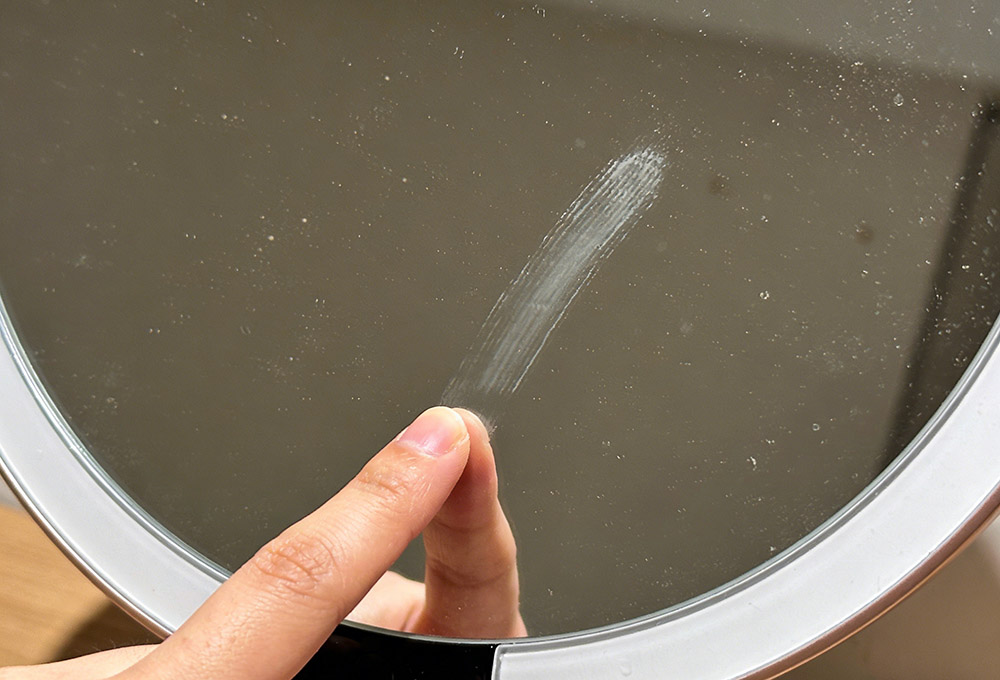
Dust also dulls mirrors. Dust floats and settles on the surface. It builds up and creates a cloudy layer. Dust is usually dry and easy to wipe. But it can mix with other substances and become stubborn.
Daily products cause stains too. Toothpaste, lotion, or hairspray may splash onto the mirror. These residues are sticky. Water alone cannot remove them. If not cleaned quickly, they dry and create spots.
What Happens When Mirrors Are Dirty?
A dirty mirror affects your routine. It distorts your reflection. This makes tasks like shaving or applying makeup harder. Mistakes can happen. You may waste time or ruin your appearance.
A dirty mirror also makes the bathroom look untidy. Bathrooms should feel clean. A foggy or spotted mirror suggests poor hygiene. This can upset guests. It may also lower your mood.
Dirt can damage the mirror over time. Mineral deposits can seep into the mirror's coating. This makes the mirror harder to clean. You might need to replace it sooner, which costs more money.
Tools Needed to Clean a Mirror
You need basic tools. Use white vinegar and a mild cleaner. Vinegar removes mineral deposits and grease. It does not leave streaks. Avoid strong chemical cleaners. They can damage the mirror.
A microfiber cloth is important. Regular towels can leave lint or scratches. Microfiber absorbs moisture well. Always use a clean cloth. A dirty cloth spreads grime.
You also need a spray bottle and purified water. Purified water has no minerals. This prevents new water spots. The spray bottle helps apply solution evenly. Do not overfill the bottle.
How to Clean a Mirror?
1. Mix equal parts cleaner and vinegar in a spray bottle. Shake gently. This solution is safe and effective.
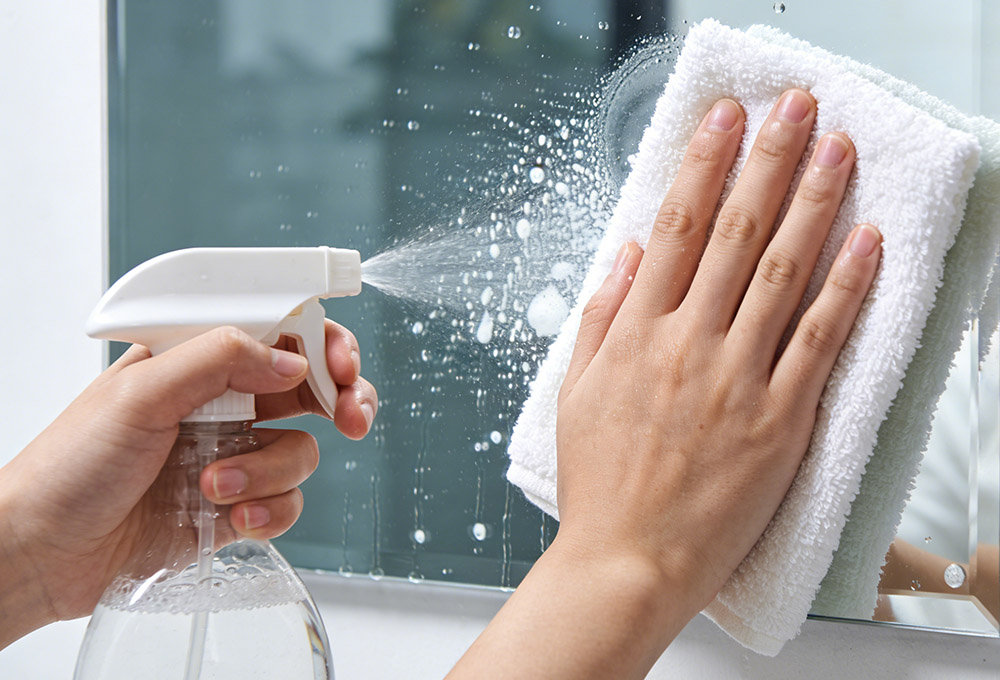
2. Spray the mixture evenly from 6–8 inches away. Use a light coat. Avoid the edges to protect the frame.
3. Wipe with a microfiber cloth using circular motions. Start at the top left, end at the bottom right. Use gentle pressure to avoid scratches.
4. Buff with a dry part of the cloth. Wipe in straight lines from top to bottom. Check from different angles to ensure no streaks remain.
What Consequences Come from Improper Wiping?
1. Scratches may appear. Rough cloths or paper towels contain particles that scratch the surface. Scratches are permanent and dull the mirror.
2. Streaks and water spots may form. If the mirror is not dried well, moisture dries into streaks. This makes the mirror look dirty again.
3. The mirror's coating may peel. Harsh chemicals or hard scrubbing damage the protective layer. Peeling causes dark spots and reduces reflectivity.
4. Bacteria and mold may grow. Leftover moisture encourages germs. This is common in poorly ventilated bathrooms. It can harm health and make cleaning harder.
How to Prevent Mirrors from Fogging Up?
Use a simple anti-fog method. Mix a little dish soap with water. Apply a thin layer with a soft cloth. Wipe it dry with microfiber. This creates a barrier against steam.
Improve bathroom ventilation. Turn on the exhaust fan before showering. Leave it on afterward. If there is no fan, open a window. This reduces steam.
Wipe the mirror right after showering. Use a dry microfiber cloth to remove steam quickly. This prevents water spots. Keep a cloth nearby for convenience.
Can a Broken Mirror Be Cleaned?
If cracks are small, clean with care. Wear gloves for safety. Use a soft cloth and vinegar solution. Wipe only around the crack. Avoid the cracked area to prevent further breakage.
For moderate damage, clean only if needed. After cleaning, apply clear nail polish to the crack edges. This seals the crack and stops moisture. But this is a temporary solution.
If the mirror is badly broken, do not clean it. Severe cracks or shattered glass are dangerous. Discard the mirror safely. Replace it with a new one. A badly broken mirror also looks bad and is impractical.
How to Buy a Mirror?
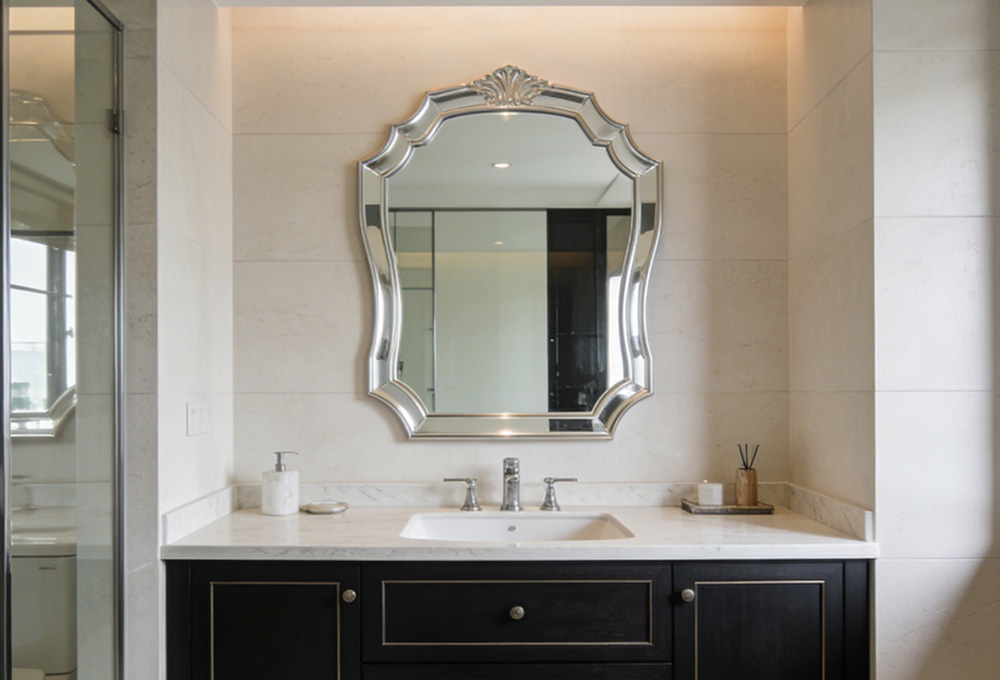
First, consider size and style. Measure your space. Choose a style that matches your bathroom. Options include frameless or framed mirrors. This helps the mirror fit your decor.
Buy from reliable wholesale furniture suppliers. Wholesalers offer many styles and sizes. Their quality is often better than small retailers. This ensures your mirror lasts.
Compare wholesale prices from different suppliers. Wholesale mirror prices are usually lower than retail. This saves money, especially for multiple mirrors. Check the mirror's quality before buying. Look for a smooth surface, clear reflection, and strong frame. Avoid mirrors with scratches or poor coating.
Proper mirror cleaning is easy with correct tools and steps. Following this guide keeps your mirror clear and avoids damage. When buying new, wholesale options offer savings and quality. With good care, your mirror will last for years.