
How to Maintain a Sofa?
Your sofa works hard every day in your living room. You sit on it after work. You watch shows on it during weekends. You invite friends over for movies. You also eat snacks on it sometimes. Over time, spills, dust, and daily use can make a good sofa look old too soon. Many people do not take care of their sofa. They think the work is hard. Or they use bad ways that hurt the sofa more. This guide shows easy steps to care for all types of sofas. It also helps you pick a new one if the old sofa cannot be fixed.
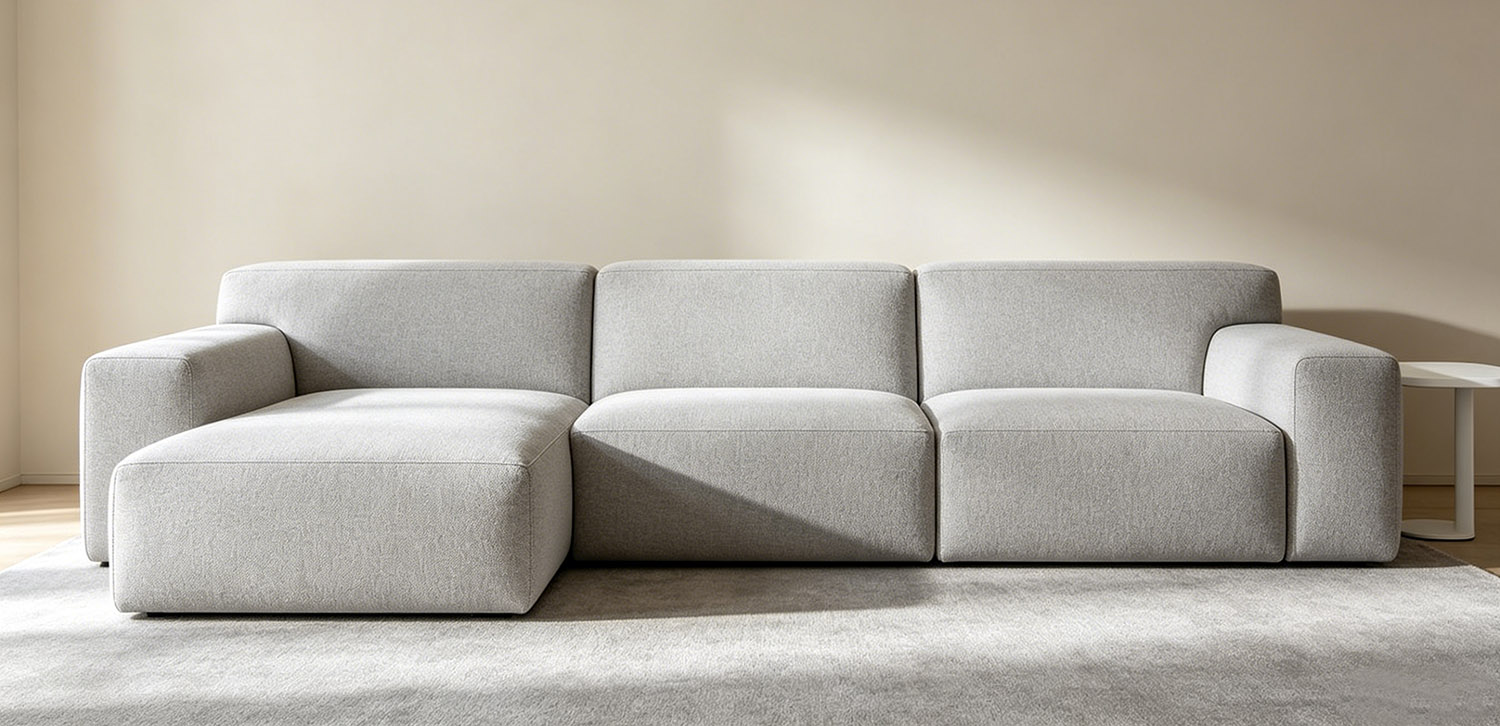
The Importance of Sofa Maintenance
First, good care saves money over time. A good sofa costs a lot at first. Regular care makes it last longer. You do not need to buy new ones often. Small habits every day lead to big savings later.
Second, it makes your home cleaner and better for health. Sofas hold dust, pet hair, mites, and food bits deep inside. These things cause allergies or breathing problems. This matters more for children or people with sensitive skin. Regular care removes these problems.
Third, it makes your room look nice. A dirty, old, or bumpy sofa makes the whole space feel bad. A clean sofa looks good and ready for use. It helps your home feel warm for you and your guests.
Does Sofa Maintenance Vary by Material?
Yes, it does change with the material. You cannot clean every sofa the same way. Each fabric and finish needs special care. One method can hurt another type of sofa. This mistake happens a lot when people clean at home.
For example, leather does not like too much water or strong cleaners. Fabric takes in spills fast and needs quick action. Wood frames and parts react to changes in air moisture and heat.
A simple wipe with a wet cloth on leather or wrong spray on fabric can leave marks, cracks, or stains that stay forever. Many people damage their sofas this way. They clean without knowing the material first.
That is why you start by finding out what your sofa is made from. After you know the material, you choose the right tools and steps. This keeps your sofa safe from harm.

Leather Sofa Maintenance Tips
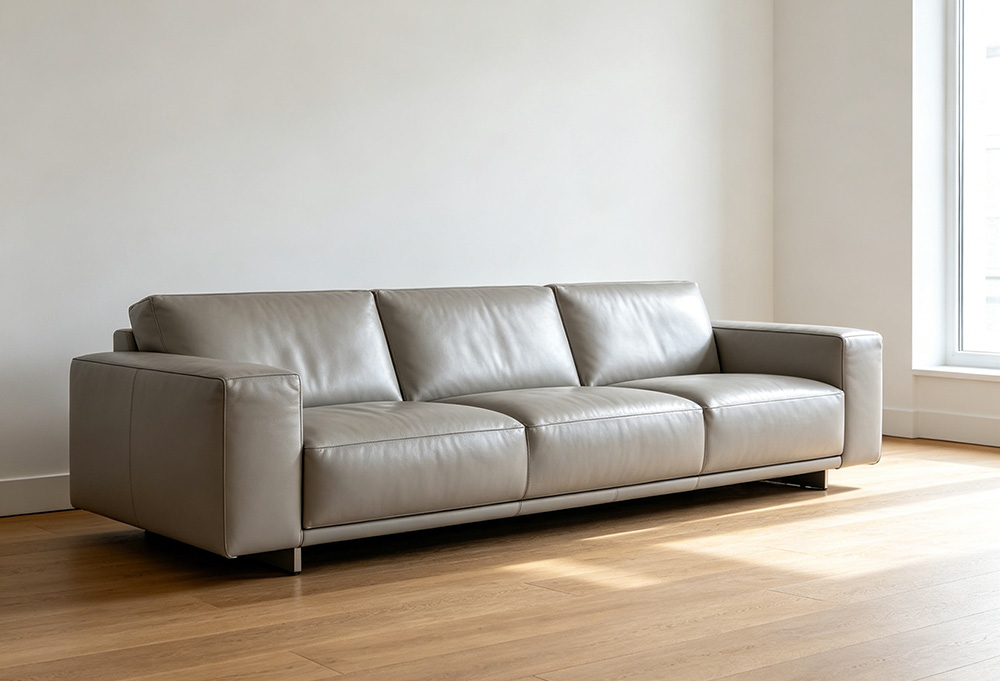
Leather sofas look nice, rich, and last a long time. They often cost more than other furniture in your home. Many people think leather needs little care. But leather is a natural material. It needs regular work to stay soft and without cracks or color loss. Without care, leather gets dry. It shows bad lines. It loses color fast. The good news is leather care is quick and does not cost much. Simple habits let you keep your leather sofa looking new for many years.
- Dust with a soft dry cloth every week
Use a clean soft cloth to wipe all leather parts once a week. This takes away dust and dirt before it scratches the surface. Do not use hard brushes or very wet cloths. Too much water hurts leather.
- Keep away from direct sunlight and heat
Sunlight makes leather color fade. It dries the material and causes cracks sooner. Put your sofa away from bright windows. Close curtains when the sun is strong. Keep it far from heaters and fireplaces. Heat breaks leather.
- Condition every 3 to 6 months
Leather needs moisture to stay soft. Apply a good leather conditioner every 3 to 6 months. Change this based on your home's air. Test it on a hidden area first. Follow the directions. Do not use shoe polish or other home items on leather.
- Blot spills immediately, never rub
When you spill on leather, use a dry cloth at once. Blot to pull up the liquid. Rubbing spreads the spill deeper. For hard stains, use a leather cleaner made for it. Or get help from a professional.
Wooden Sofa Care Tips
Wooden sofas look classic and strong. Many people like them and think they last forever. Solid wood can last a long time with care, but it still needs help. Some people think wood needs no work. Changes in air, scratches, and dust make it look old or bent. A simple routine keeps wood smooth and the finish bright. It holds the frame strong. It takes little time each month. This effort protects what you bought.
- Dust regularly with a soft cotton cloth
Wipe wood surfaces with a soft cloth every week to clear dust. For details or small spaces, use a soft brush. Do not use rough pads. They scratch the finish.
- Keep indoor humidity levels consistent
Wood changes with moisture in the air. High moisture makes it swell or grow mold. Low moisture causes cracks. Keep room humidity at 40 to 60 percent. Use tools to control it in different seasons.
- Polish with wood wax 1 to 2 times per year
Apply good wood wax once or twice a year. This feeds the wood and renews the top layer. It adds shine and protects from small damage. Avoid products with silicone. They hurt the finish.
- Protect surfaces from scratches and impact
Do not drag things on wood. Put items down with care. Use felt pads under decorations on armrests. This stops scratches. Do not stand or jump on the frame. It keeps the sofa strong.
Fabric Sofa Care Tips
Fabric sofas are popular in homes. They feel comfortable, cost less, and come in many looks. But fabric takes spills fast. It holds dust and hair. It can look dirty soon without care. This happens more with kids, pets, or meals on the sofa. Basic care is easy. You do not need special or costly items. A steady routine keeps the fabric clean and nice for years.
- Vacuum thoroughly once a week
Use the upholstery tool on your vacuum for the whole sofa each week. Cover cushions, gaps, and under parts. This clears dirt before it goes deep. It stops lasting stains. Use a soft head for gentle fabrics.
- Flip and rotate cushions regularly
Flip seat cushions every week or two. Move them around the sofa. This shares use evenly. No area wears out first. Fluff back cushions often. They stay full.
- Treat spills and stains right away
Spills get harder to fix if you wait. Blot with a dry cloth as soon as possible. Use a cleaner for fabric. Test it first in a hidden place. Do not rub. It pushes stains in.
- Wash removable covers per care instructions
Wash covers every few months as the label says. Use cold water and soft settings. Do not use strong soap or bleach. Let them air dry. Heat can shrink them.
How to Clean Your Sofa?
Weekly care works for normal days. But every 6 to 12 months, do a deeper clean. This removes old dirt, smells, and dust that vacuum misses. People think they need to pay a lot for pros. You can clean well at home with good tools. Match the method to your sofa material. This avoids damage. Deep cleaning is fast. Your sofa will look and smell new.
- Start with a full, thorough vacuum
Take off cushions first. Vacuum all areas. Cover seats, backs, arms, and base. Use the narrow tool for corners. This makes later steps better.
- Test all cleaners on a hidden spot first
Test any cleaner on a small hidden area. Wait until it dries. Check for changes. This step protects your sofa.
- Use the right method for your material
For fabric, use steam or special shampoo. For leather, use foam cleaner and dry wipe. For wood, use a damp cloth with mild soap. Dry right away.
- Let it dry completely before use
Let the sofa dry fully after cleaning. Use fans or open air. A damp sofa can grow mold or fix stains in. Wait until it is dry.

How to Choose a Durable Sofa
If your sofa has too much damage, buy a new one. Choose a strong sofa that is easy to care for. This saves work and money later. Many people look only at look and price. They get a sofa that breaks soon. Spend time on quality. You will find one that lasts and fits your life. Keep these tips in mind.
- Pick a material that fits your lifestyle
Think about your daily use. For busy homes with kids or pets, choose tough fabric or leather. For quiet rooms, lighter materials work.
- Check the frame and cushion quality
A solid wood frame lasts. Good foam in cushions keeps shape. Sit and test. If it sinks deep, it will not hold up.
- Prioritize easy-to-maintain designs
Choose simple shapes. Removable covers help cleaning. Dark or patterned covers hide marks.
- Budget for long-term quality
Cheap sofas cost more later. Buy one that lasts 10 years. See it as an investment for your home.
Where to Buy a Quality Sofa?
After you decide on the sofa type, find a good place to buy. Many options exist now. Stores, online sites, and bulk suppliers have good and bad points. Your choice depends on money, seeing the item, and how many you need. People often pay too much or get poor quality. Look at all choices. Here are good places for a new sofa.
- Local furniture stores
You can sit and check the sofa there. Staff helps you. Delivery is easy. But prices may be higher and choices fewer.
- Online furniture retailers
Online has many styles and prices. Compare at home. Many have shipping and returns. Prices are good. Read reviews and details first.
- Wholesale sofa suppliers and distributors
A wholesale sofa gives good value. It uses quality materials but costs less without extra markups. Many wholesale sofa sellers offer single items now. Pick a reliable wholesale sofa for quality at low prices.
- Second-hand furniture markets
For low budgets, used markets have good finds. Check carefully for problems before you buy.

Taking care of your sofa does not need to be hard or costly. Simple habits like dusting, vacuuming, and quick spill fixes with right products help it last longer. They keep it looking good. For leather, wooden, or fabric sofas, you can find a routine that works. If it is too old, look at options like wholesale sofa suppliers. You get good quality for a fair price. With care, your sofa stays nice for years.
FAQ
- How often should I deep clean my sofa?
For normal homes, every 6 to 12 months works. With kids, pets, or heavy use, do it every 3 to 6 months.
- Can I use regular dish soap to clean my sofa?
We do not suggest it. Dish soap is for dishes. It can hurt fabric or leather. Use products for your sofa material.
- How long does a good quality sofa typically last?
A cared-for sofa lasts 7 to 15 years. Leather and wood often go longer with good habits.
- Is it worth it to buy a wholesale sofa?
Yes, from a good wholesale sofa seller. They offer quality like stores but at lower prices.
- Can I fix a cracked leather sofa at home?
Small cracks can use a repair kit. Big damage needs a pro. Home fixes on bad spots can make it worse.