
How to Pack a Sofa When Moving | Mihran
Are you moving to a new home? Your sofa is one of your bulkiest and most valuable household items. If you do not pack it well, you may get scratches, fabric tears, dents, or even permanent damage during the move. This is true if you own a high-end retail couch or you bought a quality wholesale sofa for your space. If you take time to pack carefully, you can avoid costly repair work later. This easy guide walks you through every step to wrap and prepare your sofa safely for relocation.

Gather all necessary packing supplies first
Before you touch your wholesale sofa, you should collect every supply you need. If you run out mid-trip to grab missing tape or blankets, you slow your whole moving workflow and raise the risk of accidental scuffs. You do not need fancy professional gear. But if you skip key materials, you leave your furniture exposed to harm.
Key items you should prepare:
•Thick moving blankets or furniture pads for scratch protection
•Heavy‑duty stretch plastic wrap (never apply directly to leather or delicate fabric)
•Bubble wrap for legs, sharp corners and wooden decorative details
•Labeled zip‑lock bags for hardware, screws and bolts
•Painter’s tape; avoid regular duct tape that leaves sticky residue on upholstery
You should double-check your supplies. Then you can complete packing in one smooth session instead of pausing halfway through the process.
Clean and inspect your sofa before packing
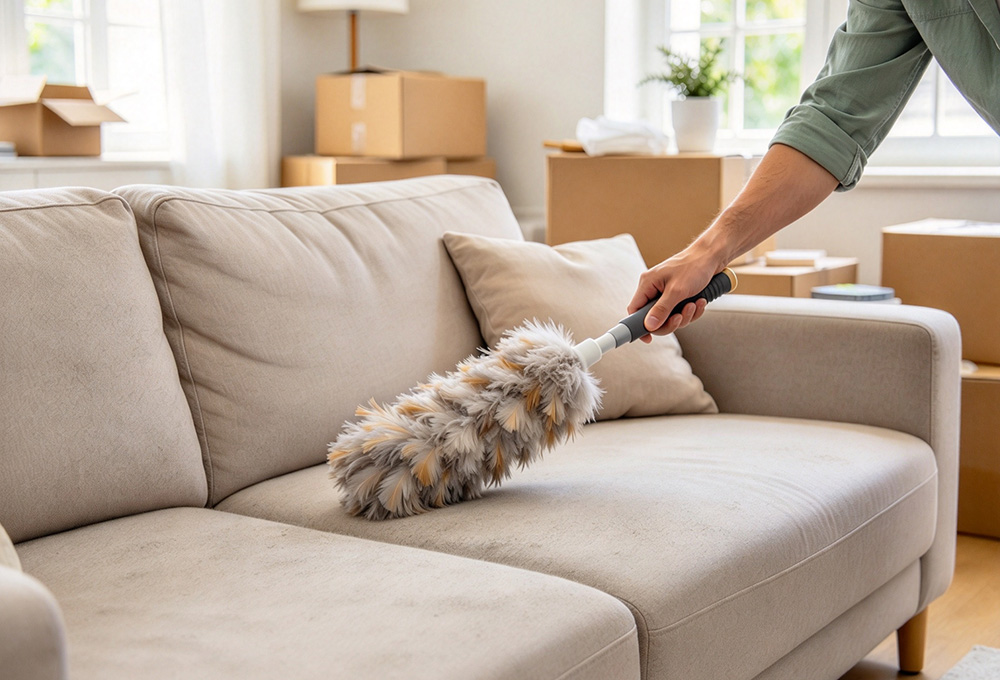
You should give your wholesale sofa a full clean before you wrap it for moving day. Trapped dust, crumbs and dirt will rub against upholstery while in transit. They can create permanent stains you cannot remove later. You should wipe hard surfaces and vacuum cushions and crevices thoroughly. You should spend a few minutes inspecting for existing wear. You should take reference photos.
Quick pre‑pack checklist:
•Vacuum crumbs, pet hair and dirt from every cushion and crevice
•Snap clear photos of pre‑existing tears, marks or dents for your records
•Confirm the sofa is fully dry, as moisture trapped under plastic leads to mold
•Remove all loose items like throw blankets, toys or small objects stuck in gaps
This simple step keeps your couch fresh. It also creates proof of original condition if damage shows up after delivery.
Disassemble removable sofa components
Most modern wholesale sofa models have detachable parts you can take apart. This makes moving much simpler. Taking pieces apart lowers overall weight, reduces total size and makes navigating narrow hallways, stairwells and doorways far less stressful. Sectional pieces benefit hugely when you split them into individual units.
Follow these disassembly tips:
•Pull out all seat and back cushions, pack them separately
•Unscrew sofa legs carefully and store all screws in clearly marked zip‑lock bags
•Detach sectional modules if your wholesale sofa is built to separate
•Tape hardware bags to the sofa frame so small pieces will not get lost
You should never force components apart. If a leg or piece will not come loose easily, leave it attached. You should add extra bubble‑wrap padding around it instead.
Measure your sofa and access routes
Lots of DIY movers skip measuring. Then they get stuck trying to wedge a large sofa through a doorway. You should measure your full wholesale sofa height, width and depth. Then you should measure doors, hallways, stair landings and elevator openings at both your old and new location. These measurements tell you whether disassembly is absolutely required.
Important measuring advice:
•Measure the sofa at its widest and tallest points, including armrests
•Note tight corners or low ceilings along your moving path
•Write numbers down and keep the note handy for your moving helpers
•Test clearance before wrapping so you do not waste time packing an item that cannot fit
This quick planning step prevents frustrating last‑minute emergencies when you load your wholesale sofa out of the house.
Protect corners and fragile exposed areas
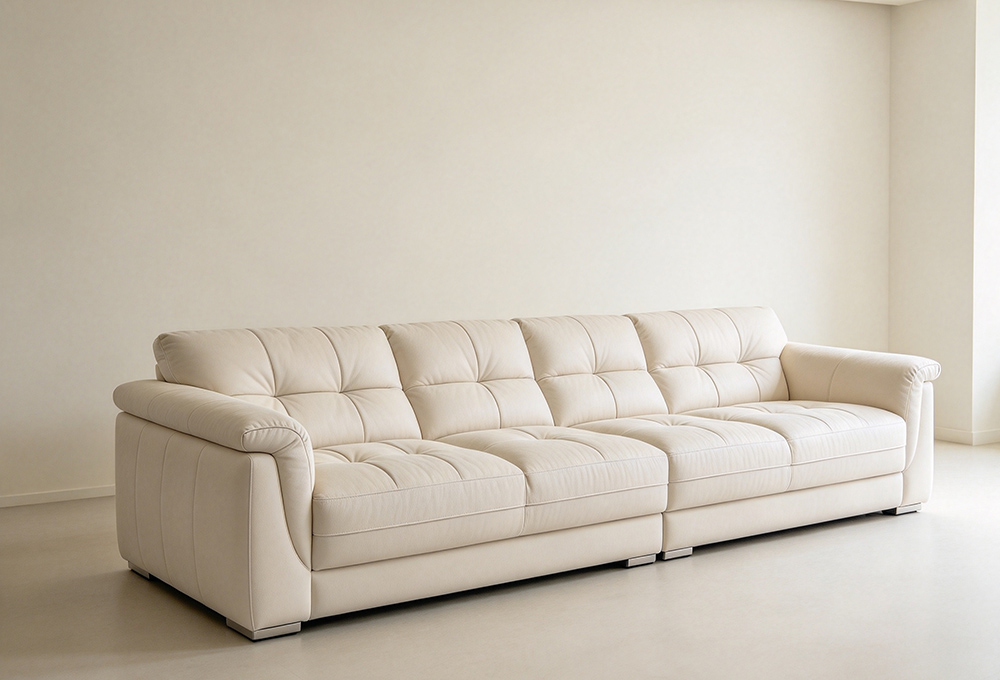
Wholesale sofa corners, wooden armrests and exposed legs receive most bumps and scrapes during moving. Even minor knocks can scratch wood or rip fabric upholstery. You should add dedicated padding to these high‑risk spots before you cover the whole sofa with large blankets.
How to shield vulnerable zones:
•Wrap bubble wrap around wooden legs, decorative trim and hard corners
•Use folded cardboard as affordable corner protectors if you lack foam supplies
•Pay extra attention to tufted leather edges and raised decorative details
•Secure bubble wrap loosely so padding does not leave indent marks on upholstery
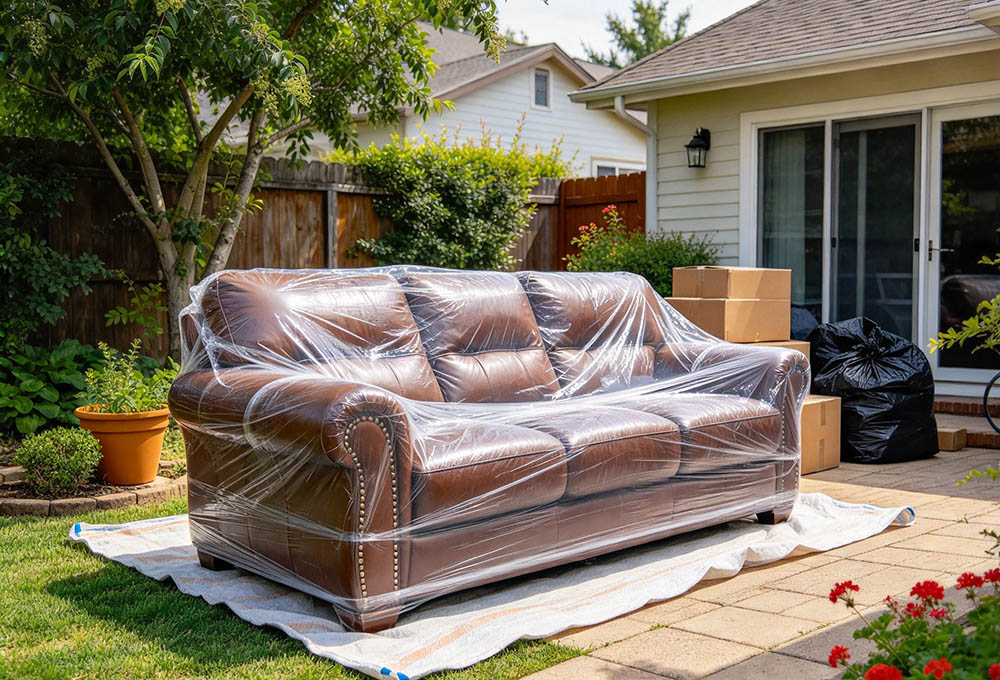
Leather sofas demand extra gentle handling. You should avoid tight plastic contact that can ruin the leather finish over several hours in transit.
Wrap your sofa with moving blankets and stretch wrap
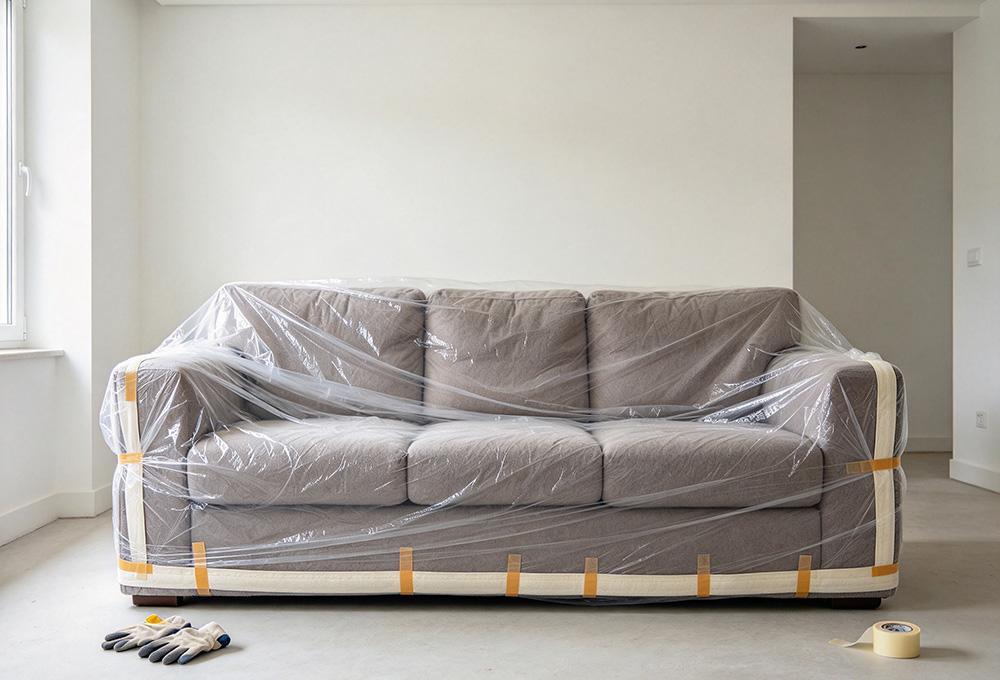
Moving blankets act as your main protective layer against scuffs and dirt. You should lay them fully over your wholesale sofa before you add stretch wrap. Remember: stretch wrap holds blankets in position. It should never sit directly against leather or fine fabric materials.
Best wrapping workflow:
•Drape overlapping moving blankets across the entire sofa, covering front, back, arms and base
•Tuck blanket material into gaps around arms and corners for full coverage
•Apply stretch wrap in slow overlapping layers starting from bottom to top
•Do not pull stretch wrap overly tight, to avoid squashing cushions and upholstery
If you bought a wholesale sofa with soft linen or velvet upholstery, you should go light on plastic wrapping. You should prioritize breathable blanket padding above everything else.
Consider hiring professional movers for sofa handling
Packing your wholesale sofa yourself is totally possible. But large, heavy sectionals, leather couches or premium wholesale sofa models are risky for untrained people to move. DIY lifting can cause personal back injuries as well as irreversible furniture damage. Professional crews know safe lifting angles, wrapping tricks and navigation tactics for tricky stairs and narrow door frames.
Reasons to trust experts with your sofa move:
•They own specialized moving straps, dollies and protective gear most homeowners do not own
•Experienced movers understand how to pivot large sofas through tight openings without scratching walls or furniture
•Proper lifting techniques reduce injury risk for you and your family
•They handle heavy weight distribution inside the moving truck to stop shifting during transport
•Reputable moving companies offer transit insurance coverage if accidents occur
If your wholesale sofa weighs over 200 pounds or you face steep stairs, professional support is well worth the investment.
If your sofa gets damaged during moving
Even with great preparation, unexpected harm can happen while you relocate your wholesale sofa. Whether you moved it yourself or hired workers, you should act quickly the moment you spot scratches, rips or broken components. This guidance works for vintage couches, retail models and wholesale sofa inventory alike.
Steps to follow after discovering moving‑related sofa damage:
•Inspect your sofa immediately upon delivery before signing any moving paperwork
•Take multiple clear photos and short videos showing every damaged spot
•Note damage details on moving documents before you give final acceptance
•Keep original packing materials for insurance or claim assessment purposes
•Reach out to movers or insurance providers within 48 hours with your photo evidence
Some minor scuffs can be repaired by upholstery specialists. Severe frame or fabric damage may mean you need to look at replacement options.
Packing a sofa for moving is all about preparation. You should gather supplies, clean and inspect, take apart detachable parts, measure access paths, pad fragile edges and wrap carefully with blankets plus stretch wrap. A quality wholesale sofa or beloved family couch deserves proper care so it arrives in perfect shape at your new property. When your piece is extra‑large or high‑value, professional movers remove most stress and risk from the whole relocation process. You should take your time, not rush wrapping steps, and document condition before and after transport for peace of mind.
FAQ
1.Can I wrap my leather sofa directly with plastic stretch wrap?
No. Direct plastic contact traps moisture and heat, which can permanently crack or stick to leather surfaces. You should always use breathable moving blankets as the primary protective layer.
2.Do I have to remove sofa legs for every move?
It is highly recommended. Removing legs cuts down height and prevents snags on door frames. If legs cannot unscrew, you should add thick bubble wrap around them for extra safety.
3.How many people do I need to lift a standard 3‑seater sofa?
You need at least two adults. Sectional or sleeper sofas often need three people, especially when navigating staircases.
4.Can I store my wrapped sofa in a moving truck for multiple days?
You should limit plastic wrap exposure. For multi‑day transit, you should focus more on breathable blankets and avoid fully sealing upholstery under non‑breathable plastic for long periods.
5.What if my sofa still cannot fit through my front doorway?
You should double-check measurements, try rotating angles, remove door hinges, or bring in professional movers who have experience with tricky large‑furniture entry scenarios.
6.Is it worth paying movers to pack my sofa for me?
Yes, you should hire movers for high‑value, heavy or delicate furniture. Professionals know best practices and their insurance may cover accidental harm, giving you better protection than most DIY moving setups.