
How to Run a Profitable Furniture Store Successfully?
Running a profitable furniture store is not just about pretty pieces it is about smart choices smart sourcing and smart planning. At the core of every successful store you find reliable wholesale furniture partnerships. This guide breaks down simple actionable steps to turn your furniture store into a money-making business with no fancy jargon required.
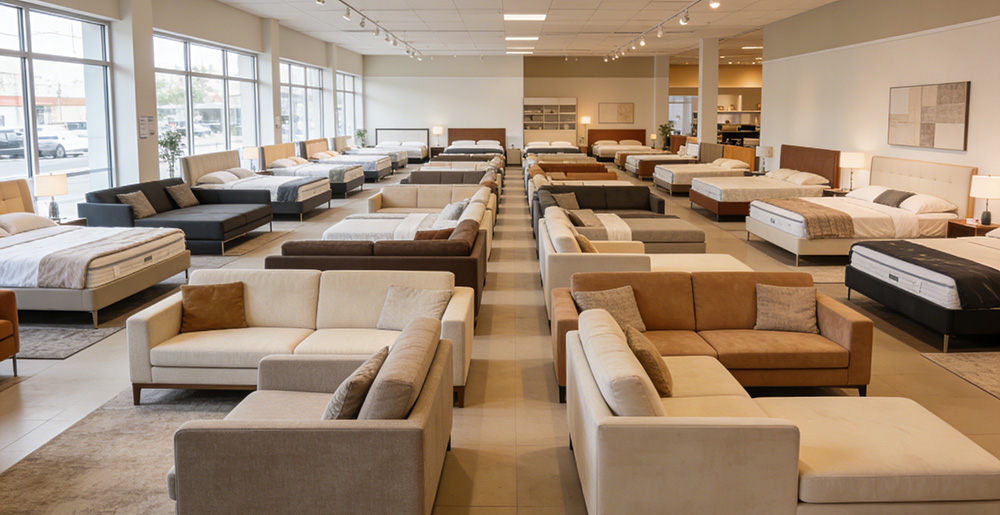
Choose the appropriate furniture category
The first step to profitability is to select furniture that consumers are truly willing to purchase. Don't just stock up on your favorite styles, focus on best-selling categories. Here are the five core categories:
1. Civilian Furniture: Mainly featuring sofas, beds, dining table combinations, and coffee tables. These are daily necessities for most families, with fast circulation and stable demand.
2. Commercial Furniture: Facing office desks, dining chairs, hotel leisure furniture, etc. Enterprise customers often make bulk purchases, with large order amounts and more stable cash flow.
3. Subdivision of characteristic furniture: such as pet beds, outdoor courtyard sets, small-sized specialized furniture, etc. This type of product has less competition and is more likely to attract loyal customer groups.
4. Environmentally friendly furniture: Made from solid wood or recycled materials. More and more consumers are paying attention to sustainable concepts, and this niche track can enhance brand image and support higher pricing.
5. Customizable Furniture: Provides products that can be personalized and adjusted, such as custom sized sofas, carved cabinets, etc. Can enhance the added value of the product, with a price higher than the regular version.
Looking for reliable wholesale furnituresuppliers
wholesale furniture partners directly determine the success or failure of the business. Poor quality wholesale furniture suppliers can lead to order delays, quality concerns, and customer churn. Filter reliable merchants in the following five steps:
1. Check reputation: View online reviews, request recommendations from peers, and participate in face-to-face inspections at industry exhibitions. Good reputation means more stable service.
2. Prior Quality: Before bulk purchasing, it is necessary to request samples to check the material, craftsmanship, and durability. Poor quality products can seriously affect sales and store reputation.
3. Comparison and Minimum Order Quantity: Do not only choose the first supplier, inquire with 3-5 suppliers, compare prices, Minimum Order Quantity (MOQ), and shipping costs, and pursue the best cost-effectiveness.
4. Evaluate communication efficiency: Fast response speed indicates standardized supplier management and emphasis on cooperation; Delayed responses can easily cause delays in orders and lead to customer dissatisfaction.
5. Confirm after-sales support: Ensure that suppliers can provide return, repair, or exchange services in case of problems to avoid accidental losses.
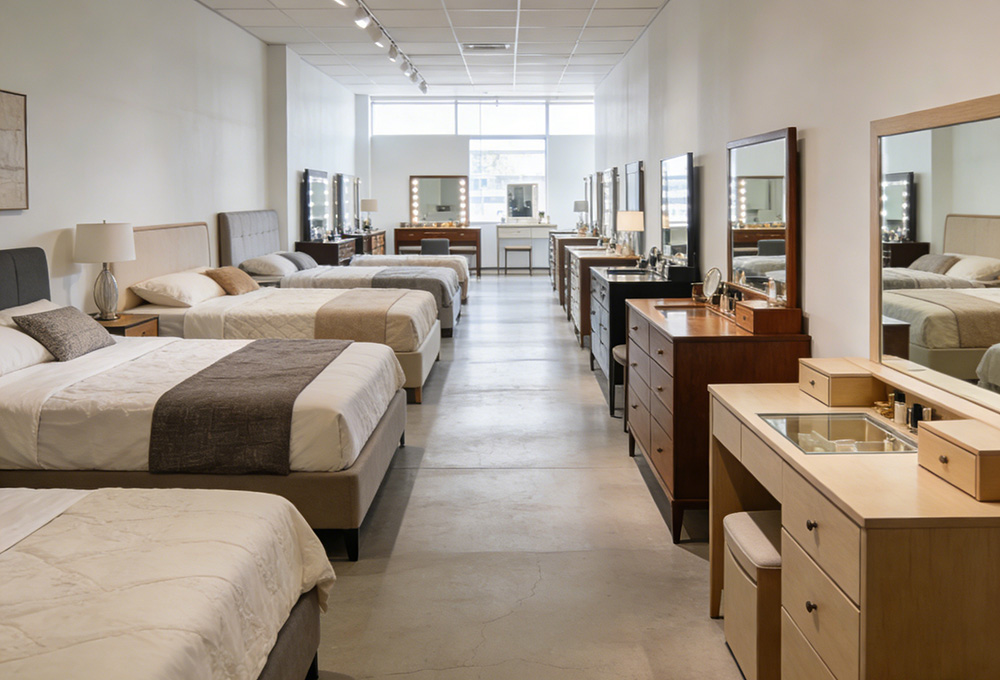
Planning exhibition hall product display
The exhibition hall is a place where customers make purchasing decisions, and it is important to create a real home atmosphere. Clear zoning by function makes purchasing easier and more attractive:
1. Living room area: Place sofas, coffee tables, and leisure chairs, create a warm atmosphere with carpets and lighting fixtures, and extend customer stay and browsing time.
2. Bedroom area: Concentrated display of beds, bedside tables, and cabinets, presenting a complete bedroom combination effect, paired with soft lighting to create a relaxed feeling.
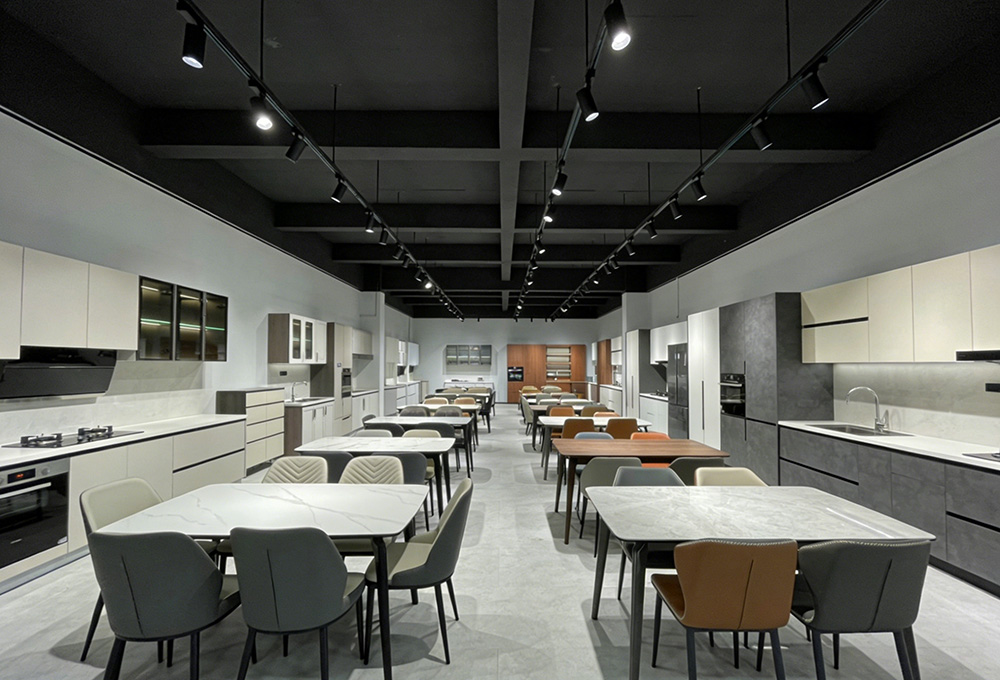
3. Kitchen area: Display dining tables, chairs, central island tables, dining mats, and small soft furnishings to recreate the real home kitchen scene.
4. Study area: Display desks, office chairs, bookshelves, and place computers or desk lamps to create a practical workspace that attracts remote office workers and students.
5. Outdoor Area: Install courtyard sets, garden benches, outdoor side tables, and use green plants or parasols to create a fresh outdoor atmosphere, suitable for attracting traffic during spring and summer seasons.
Master pricing strategy
Pricing directly determines the level of profitability. Pricing too high can lead to customer loss, while pricing too low can result in losses. Develop a reasonable price in five steps:
1. Calculate full cost: You cannot only look at the wholesale price of furniture, but also add shipping, taxes, store rent, and labor costs to calculate the true cost of a single item.
2. Market research price: Comparing the prices of similar products locally and online, the pricing is both competitive and covers all costs.
3. Set up tiered pricing: Introduce bulk discounts, such as a 10% discount on purchasing 3 items, encouraging customers to increase their orders and increase their average order value.
4. Increase value-added services: Provide paid additional services such as warranty solutions, delivery, installation, etc., which can increase profit margins by 15% -20%.
5. Monthly Price Adjustment: Flexible adjustment based on sales data. The unsold products have been slightly reduced in price, while the popular ones can be moderately increased in price.
Establish a loyal customer base
Returning customers are the lifeline of profitable furniture stores. Satisfied customers will repurchase and recommend friends and family, which is equivalent to free marketing. There are five ways available:
1. High quality service: Train employees to have a friendly attitude, professional knowledge, assist in purchasing, answer questions, and do a good job in after-sales follow-up.
2. Local marketing: Post your store on Facebook, Instagram, and TikTok. Share photos of new wholesale furniture, customer reviews, and in store activities.
3. Encourage referrals: Old customers recommend new customers to the store and offer discounts or gifts. Word of mouth communication is one of the strongest marketing methods for small and micro enterprises.
4. Membership System: Accumulated points for consumption can be redeemed for discounts or gifts, locking customers for repeat purchases.
5. Organize store activities: Set up furniture matching classes, holiday promotions, supplier meetings, etc., to attract customer flow and enhance community cohesion.
Intelligent inventory management
Inefficient inventory management can waste funds and space. Manage wholesale furnitureinventory with five tips:
1. Real time tracking of inventory: Use simple inventory software to record in stock, out of stock, and popular products, and keep track of data at all times.
2. Prioritize the protection of popular products: sofas, beds, and other popular items should be kept in stock to avoid the loss of orders due to out of stock best-selling products.
3. Avoid backlog: Do not stock up on unsold items in large quantities to prevent occupying space and funds, and control the inventory cycle of non popular items within 3 months.
4. Set replenishment threshold: Set a minimum inventory line for each product, and replenish wholesalers once it meets the standard to prevent stockouts.
5. Monthly Inventory: Conduct on-site inventory checks every month, correct system errors, and avoid losses caused by theft or counting errors.

Deepen wholesale furniturecooperation
Good cooperation with furniture wholesalers can help you reduce costs and create differentiated competition. Make good use of five strategies:
1. Negotiate long-term cooperation: Sign long-term contracts with satisfactory suppliers to strive for better prices, order priority, and exclusive styles.
2. Merge orders to enjoy discounts: Combine different products to meet higher minimum order quantities and receive larger bulk discounts.
3. Joint Marketing: Please ask wholesalers to assist in promoting your store, such as displaying your brand in their social media or product catalogs.
4. Feedback on customer feedback: Inform the supplier of customer preferences and dissatisfaction with the product, help them optimize the product, and make the store more competitive.
5. Strive for exclusive source of goods: Apply to suppliers for exclusive wholesale styles that other stores do not have, and attract more customers with unique products.
Running a profitable furniture store takes consistent effort but it is totally achievable with the right steps. You start by choosing the right furniture types and finding reliable wholesale furniture suppliers. Then you plan your showroom well you master pricing you build loyal customers you manage inventory smartly and you strengthen your supplier partnerships. You stay focused on your customers needs you keep learning and you adjust your strategies as you go. With time and dedication your furniture store will become a profitable successful business.