
What is a Side Table?
If you have reached for a drink while you sit on the couch and wanted a place to put it down, you know the simple value of small accent furniture. These small pieces appear in almost every home. Many people do not think about what they really are, what styles exist, or how to choose the right one for their space. In this guide, we explain everything you need to know. We cover basic definitions, styling tips, and good buying choices for big projects.
What is a Side Table?
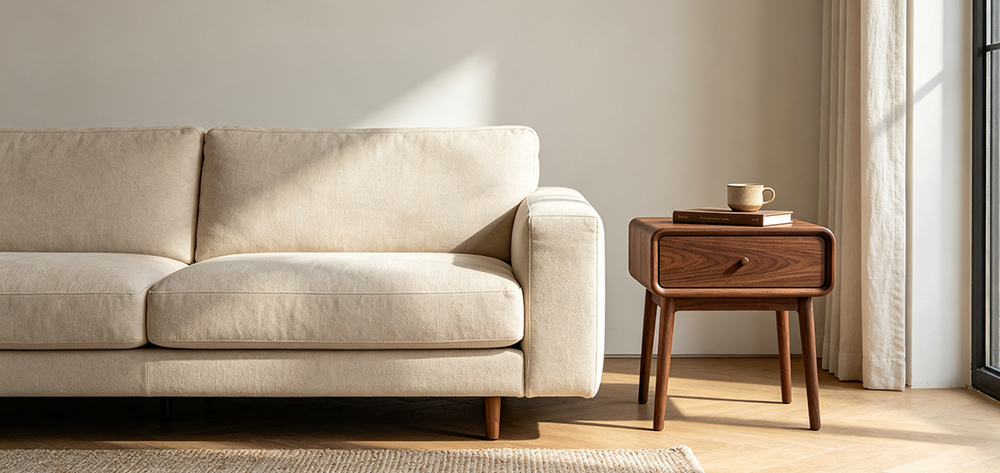
At its core, this piece is a small freestanding furniture item. It sits next to larger pieces like sofas, beds, or armchairs. Its main purpose is to hold everyday items. You can keep your phone, a warm mug, a reading lamp, or a stack of magazines close by. This way you do not need to stand up each time.
Most people call it a side table. It has several casual names based on where it sits in the home. It is different from coffee tables, which stay in the center in front of seats. A side table fits into side spaces without taking over the room. It comes in many shapes, heights, and looks. It fits nearly any corner from a small bedroom spot to a big open living area.
Common Styles to Know
These useful pieces are not the same for everyone. Different shapes and builds meet different daily needs. Learning the popular styles helps you choose one that fits your floor plan and your daily habits.
1. End table: A narrow rectangular build made to sit flush with the end of a standard sofa.
2. Nightstand: A bedroom-focused design, often with small drawers for hidden storage.
3. C-table: A C-shaped frame that slides under seating for ultra-close surface access.
4. Nesting tables: A set of two or three that stack together to save space when not in use.
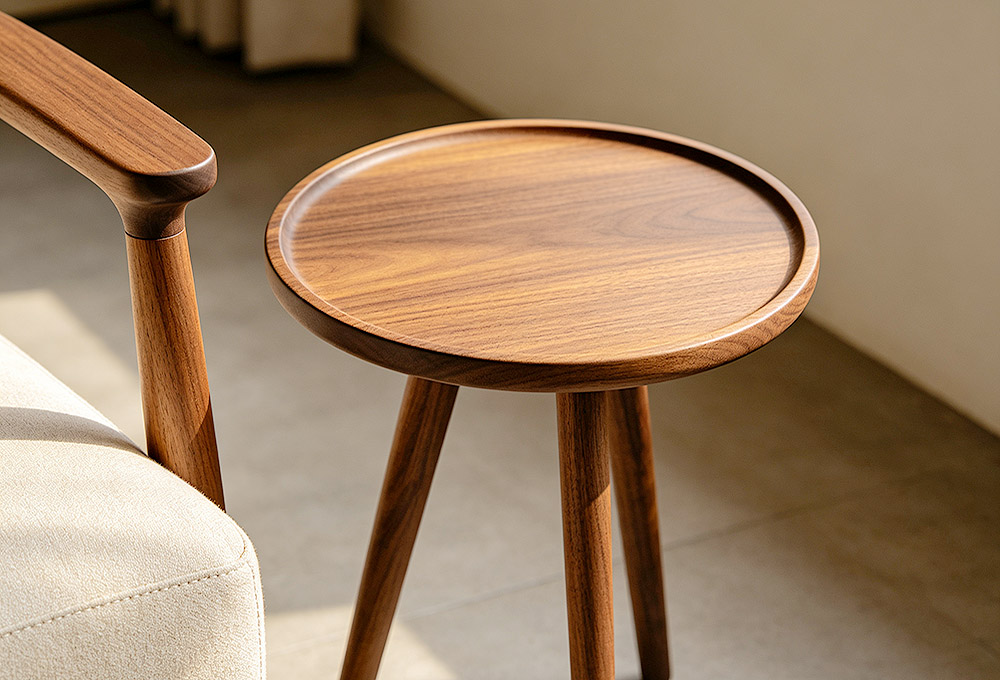
5. Round table: A soft curved shape that works perfectly in tight or awkward corners.
6. Pedestal table: A single-base design that feels light and suits classic or vintage decor.
There is no single best style. It depends on where you place it and how you use it. You can mix different designs across rooms. This creates a collected personal feel that does not look too perfectly matched.
Top Material Options
The material you choose sets the tone for look, durability, and cleaning ease. Every option has its own strengths. Some materials fit specific rooms and lifestyles better than others.
1. Wood: Warm, long-lasting, and available in finishes from light oak to rich dark walnut.
2. Metal: Sleek and sturdy, a go-to for modern, industrial, or minimalist interior styles.
3. Glass: Light and visually airy, ideal for small rooms where you do not want visual bulk.
4. Marble: Luxurious and cool-toned, perfect for elevating mid-century or elegant spaces.
5. Rattan: Lightweight and textured, a top pick for boho, coastal, or casual home designs.
When you pick a material, think about daily use and who will touch the piece. For busy households, scratch-resistant choices work better. Low-traffic rooms can use more delicate decorative options.
Smart Placement Ideas Around the House
One of the biggest perks of these small furniture pieces is how flexible they are. They work far beyond the living room sofa. You can use them to fill empty underused spots all through your home.
1. Next to the sofa: The classic spot for holding remotes, drinks, and small table lamps.
2. Beside the bed: A practical alternative to a traditional nightstand in compact bedrooms.
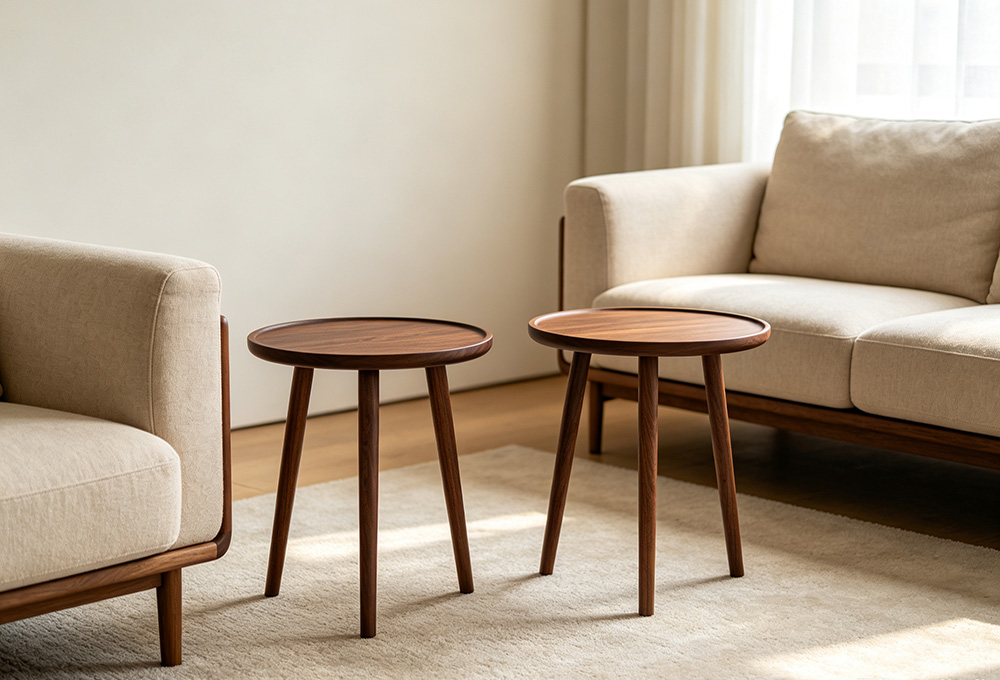
3. Next to an accent chair: Creates a cozy reading nook when paired with a lamp and book.
4. In the entryway: Holds keys, mail, and a small dish for everyday carry essentials.
5. In a home office: Adds extra surface space for a printer, notebooks, or your coffee mug.
Do not hesitate to move them as your needs change. Their small size makes them easy to shift. One piece can serve different purposes in different rooms throughout the year.
Key Factors for Picking the Right Piece
When you shop for a side table, it is not just about the nicest design. A few quick practical checks make sure your new piece works well. It will not become more trouble than it is worth.
1. Proper height: Aim for the tabletop to sit level with or just below your seat’s armrest.
2. Right size: Leave enough walking room so the piece does not block regular traffic flow.
3. Storage needs: Pick a design with drawers or shelves if you need to hide small items.
4. Weight & stability: Heavier bases are a safer pick for homes with kids or pets.
5. Style coordination: Match finishes with existing furniture for a pulled-together look.
Start with your must-have practical features. Then narrow down options by appearance. This way you get a piece that is genuinely useful and nice to look at every day.
Simple Styling Tips
A well-styled small table can turn a basic furniture piece into a charming focal point. You do not need a lot of decor. Just a few thoughtful pieces are enough to improve the look.
1. Add a table lamp: Brings warm ambient light and adds visual height to the setup.
2. Place a small plant: A succulent or small pothos adds life and a pop of natural green.
3. Stack a few books: Adds texture and gives you something casual to flip through.
4. Use a decorative tray: Corrals tiny items and keeps the surface looking tidy.
5. Add a candle or diffuser: Brings a cozy scent and soft calming visual detail.
Leave a little empty space on the surface so the piece still feels useful. You can change small decor items by season. This keeps the space fresh without buying new furniture.
Perks of Bulk Purchasing
If you furnish multiple rental units, run a retail shop, or manage a large design project, wholesale side table options give major practical and financial benefits.
1. Lower per-unit cost: Bulk pricing cuts down the individual piece cost significantly.
2. Broader selection: Bulk suppliers usually carry a wider range of styles and materials.
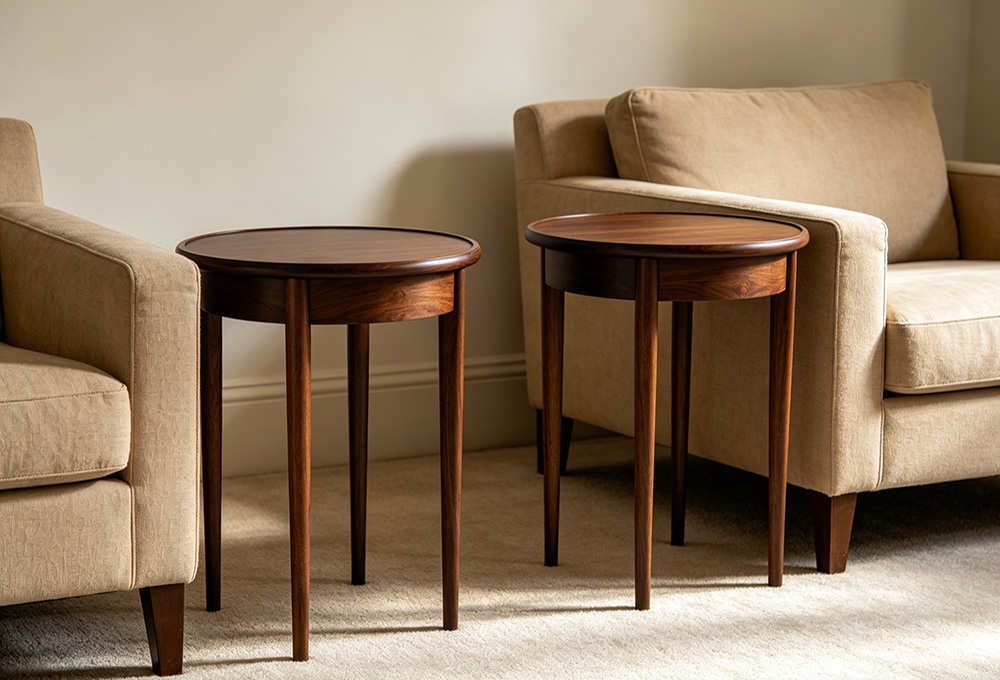
3. Consistent design: Easy to source matching sets for apartments, hotels, or suites.
4. Customization options: Many suppliers offer custom finishes for large order volumes.
5. Reliable stock: Steady inventory for ongoing projects or regular store restocks.
Partnering with a trusted bulk supplier saves you time and money over the long term. It is a smart strategy for anyone who needs more than one or two pieces for a space or business.
Easy Maintenance Tips
A little regular upkeep goes a long way in keeping your accent table looking great for years. Different materials need slightly different care. Most maintenance tasks are quick, simple, and easy to fit into your regular cleaning routine. You do not need fancy products.
1. Wipe up spills immediately to prevent stains, especially on wood or marble surfaces.
2. Keep pieces away from direct sunlight to avoid fading, warping, or discoloration.
3. Use coasters for drinks and hot pads for warm dishes to protect the tabletop.
4. Dust regularly with a soft cloth to prevent buildup on textured or carved surfaces.
5. Follow material-specific care guides, like glass cleaner for clear tabletops.
You do not need expensive specialty cleaners to keep pieces in good shape. Small daily habits and quick weekly checks are enough to preserve both their look and function for a long time.
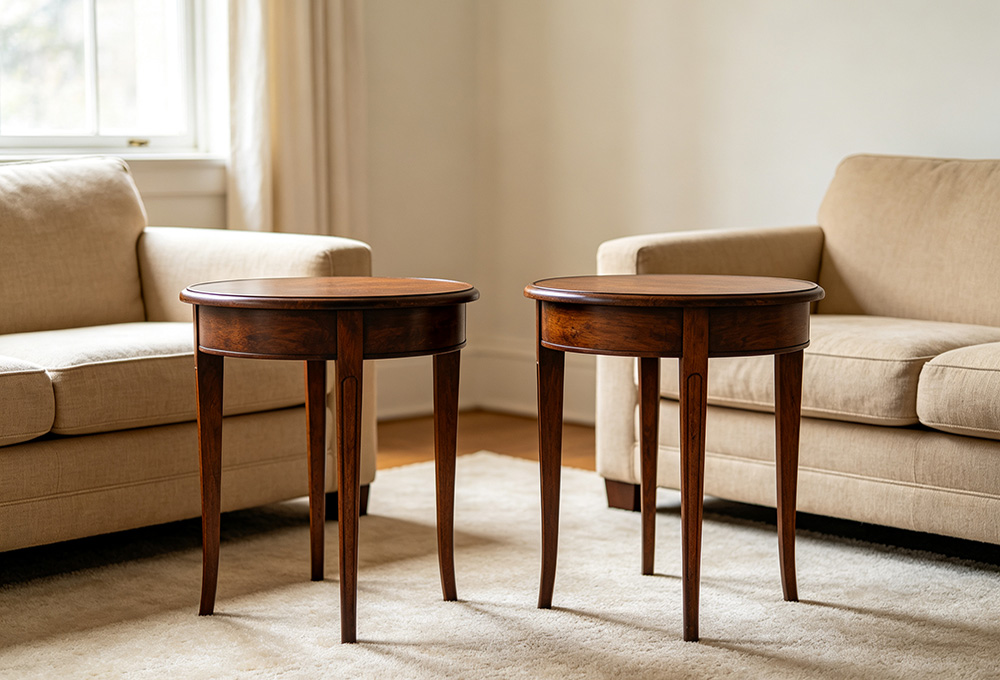
At the end of the day, a side table is one of those small home pieces that deliver more value than their size suggests. They are functional, flexible, and full of styling potential. This holds true whether you outfit a single studio apartment or furnish an entire commercial property. Understanding the different styles, materials, and buying paths helps you make choices that fit your space, your style, and your budget perfectly.
FAQ
1. What’s the difference between a side table and an end table?
An end table is a specific narrow style made to sit at the end of a sofa matching its arm height. The broader term covers any small table designed to sit next to larger furniture pieces.
2. What is the standard height of a side table?
Most options fall between 22 and 30 inches tall. The ideal height is level with or 1–2 inches below the arm of the sofa or chair it sits next to for comfortable use.
3. Can I use a small accent table as a nightstand?
Absolutely. As long as the height works well next to your bed frame, it makes a great nightstand. This is especially true if you prefer a more minimal or unique look over a matching bedroom set.
4. Is it cheaper to buy side tables in bulk?
Yes, purchasing in bulk through wholesale channels typically lowers the per-unit cost noticeably. It is a cost-effective choice for hotels, Airbnb hosts, furniture retailers, and large renovation projects.
5. What material side table is best for high-traffic areas?
Solid wood or metal are the strongest picks for busy high-use spaces. They are durable, scratch-resistant, and easy to wipe clean. They hold up well to daily heavy use without showing wear quickly.