
What Is a Standing Desk?
Most of us sit for too many hours each day. You may work from home, sit at an office desk, or study for eight hours or more. This harms your body. If you have heard about standing desks but do not know their definition, how to use them, or their real value, this article helps you. It uses simple language and explains everything clearly. The article covers the definition, ways to use them, main types, and tips for buying good ones. After you read it, you will understand this furniture well and decide if it fits your needs.
Definition of Standing Desk
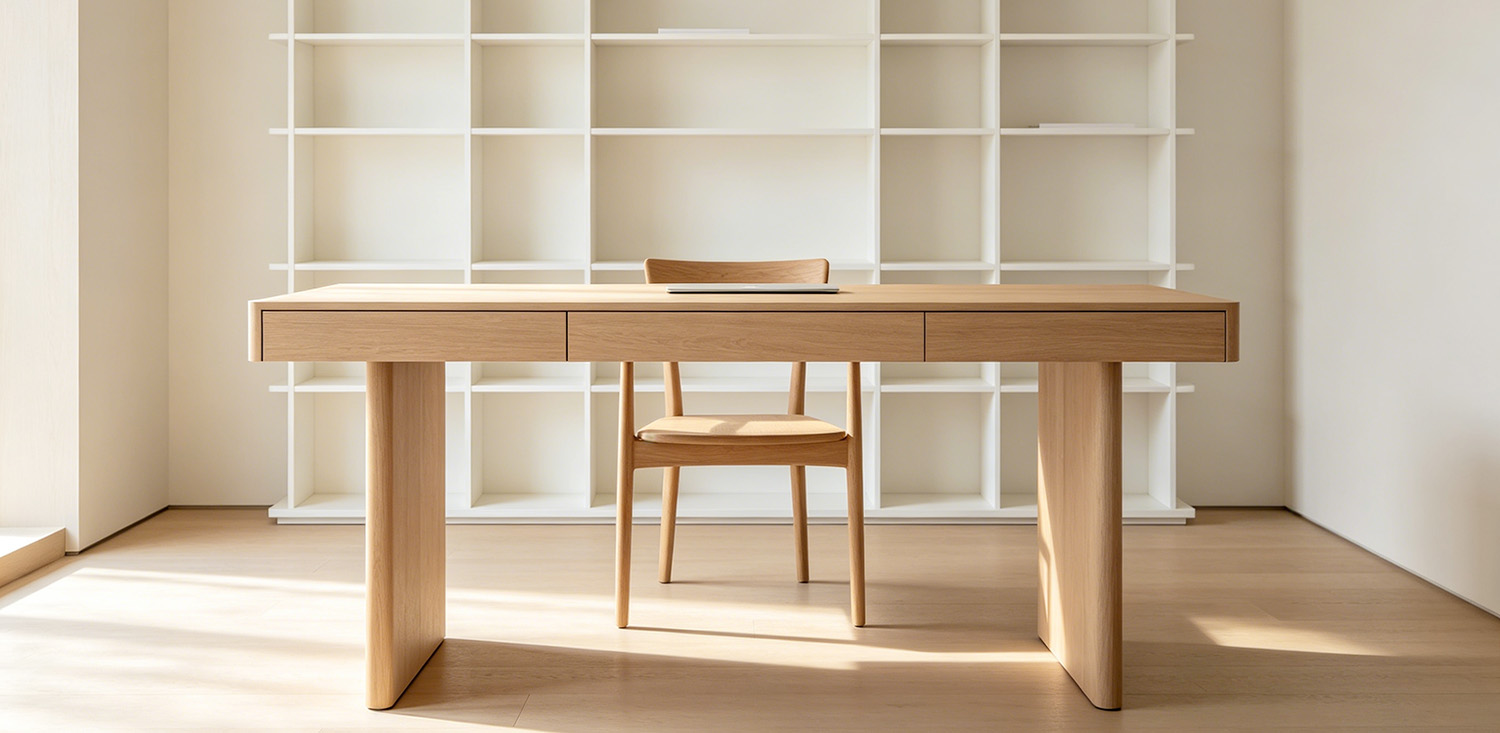
A standing desk lets you work while you stand and avoids long sitting. It is more than a normal desk without a chair. Most standing desks on the market let you change the height. You can switch between sitting and standing easily without two separate desks. This flexibility helps reduce soreness and tiredness from one posture. Adjustable standing desks fit daily work habits better than fixed desks and give more comfort. Good standing desk makers produce models with easy lifting and strong build. They hold laptops, monitors, and other items steadily for long use. The main advantage is a healthier and nicer work environment, and work efficiency stays the same.
Application Scenarios of Standing Desks
Standing desks suit many people and places, not just health fans. The main uses are as follows:
1. Office Work: This is the most common use. Office workers who do writing, design, programming, or emails can break long sitting. Standing helps stretch the legs and keeps people alert and efficient.
2. Home Office: More people work from home now. Standing desks are very useful here. You can put them in a spare room or living room corner in small apartments. This creates a healthy work space and stops working from beds or sofas.
3. Freelancers & Remote Workers: People who work in coffee shops or shared offices like portable foldable standing desks. They work anywhere, change posture easily, and stay focused.
4. Students: Long study hours and online classes make students lose focus. A standing desk refreshes the mind, reduces tiredness, and makes learning easier.
5. Fitness & Wellness Venues: Staff in gyms, yoga studios, and medical places use standing desks. This supports a healthy and active lifestyle.
Main Types of Standing Desks
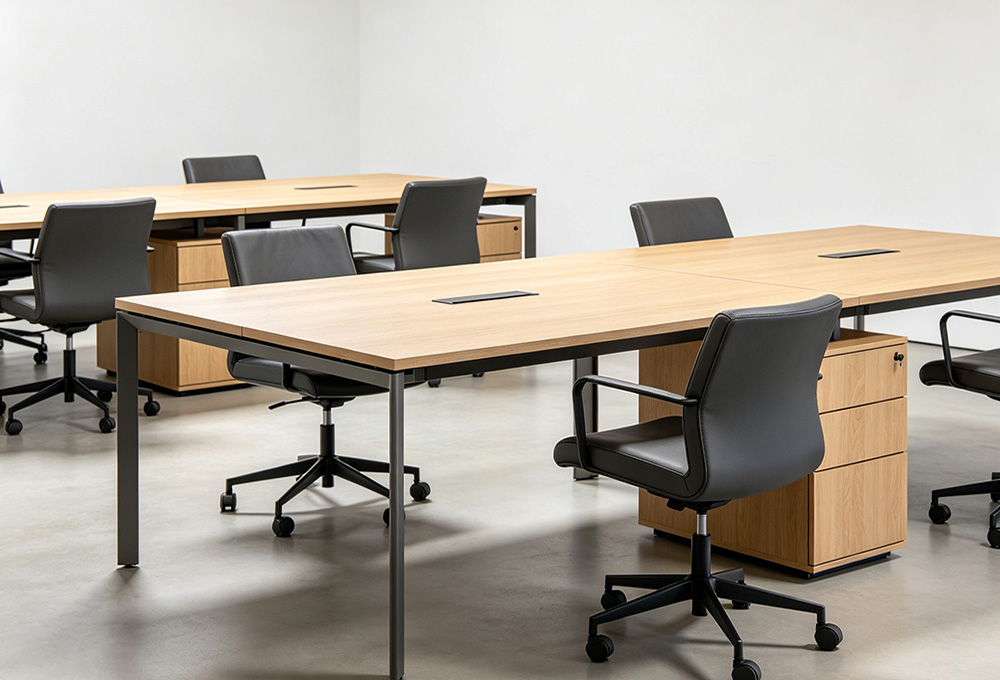
Many types of standing desks exist. Choose based on your needs, budget, and space. Here are features of five main types:
1. Electric Adjustable Standing Desk: This is the most popular now. You press one button to change height with no effort. Many makers add memory settings for quick sit-stand heights. It is easy to use in busy offices.
2. Manual Adjustable Standing Desk: This costs less. You turn a crank to adjust height and need no power. It fits people who want simple options and use it sometimes. The only downside is that it takes some effort to change height.
3. Foldable Standing Desk: It takes little space and folds for storage. It is light and easy to carry, so it works in small apartments or shared offices for short times.
4. Fixed-height Standing Desk: This has no lift and stays at standing height. It has a simple design and low price. It suits people who stand all day or those who add it to existing sitting desks. It has few parts and needs little care.
5. Desktop Standing Desk Riser: You place it on a normal desk for low-cost standing work without buying a new desk. No installation is needed. Beginners like it to test standing work.
Common Materials of Standing Desks
The material affects stability, look, and price of a standing desk. Here are five common materials from standing desk makers:
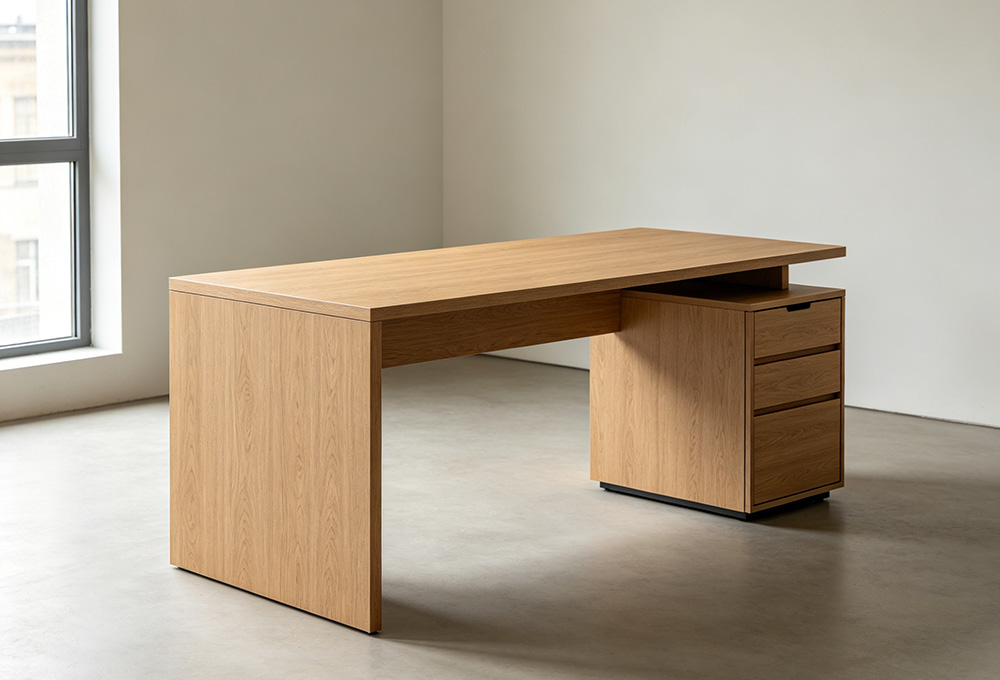
1. Solid Wood: Oak, maple, and walnut are popular. Solid wood is strong and holds heavy items like monitors well. It looks elegant but is heavy and costs more.
2. Engineered Wood (MDF/HDF): This is cheaper than solid wood and uses compressed fibers. It is light but strong. Many have wood veneer for good looks at lower cost, great for home offices.
3. Metal: Frames use steel or aluminum for strong stability and wear resistance. They fit busy offices. Some metal tops look modern and clean easily.
4. Glass: Tempered glass tops give a clean, modern style that matches offices and clean up fast. But they break easier, so avoid them with kids or heavy items.
5. Bamboo: This natural material is light, strong, and looks fresh. It grows fast and is better for the environment than regular wood. Eco-friendly buyers pick bamboo standing desks more often.
Core Benefits of Using Standing Desks
Standing desks help health in real ways. Here are six key advantages:
1. Correct Bad Posture: Sitting hunched hurts the neck, shoulders, and back. Standing keeps the back straight, improves posture, and reduces soreness.
2. Reduce Risks of Sedentary Diseases: Long sitting can lead to weight gain, heart issues, and diabetes. Standing activates the body and helps metabolism for better health.
3. Boost Energy Level: Sitting makes you tired and sleepy. Standing improves blood flow, keeps energy high, and fights afternoon tiredness.
4. Relieve Lumbar Soreness: Back pain is common for office workers. Standing lowers pressure on the lower back and eases pain. Set the desk so elbows stay at 90 degrees when typing.
5. Elevate Mood and Mental Health: Standing releases good hormones and reduces stress. Changing postures helps control and lowers anxiety at work.
6. Improve Work Efficiency: With more energy and good mood, you focus better, finish tasks, and avoid delays.
Practical Tips for Choosing Standing Desks
Many choices exist, so it can feel hard to pick. Use these five tips to find the right one for your needs, budget, and space. For bulk buys, contact makers about wholesale desk options to save money.
1. Choose According to Your Height: Check the height range first, often 71cm to 122cm. Set it so elbows are at 90 degrees and the screen is at eye level. This avoids strain.
2. Check Load-bearing Capacity: List all items like laptops, monitors, and plants. Good desks hold over 45 kilograms. Pick stronger models for heavy gear.
3. Select Suitable Types: Choose electric for easy use, manual for lower cost, foldable for small spaces, or risers for cheap trials. Ask makers for advice on your situation.
4. Select Proper Materials: Pick solid wood for quality and budget, engineered wood for home value, glass for modern style, or bamboo for green choice. Bulk wholesale desk buys give better prices on good materials.
5. Set Reasonable Budget: Prices vary a lot. Set your range and look for 1- to 5-year warranties. Longer warranties show better quality.
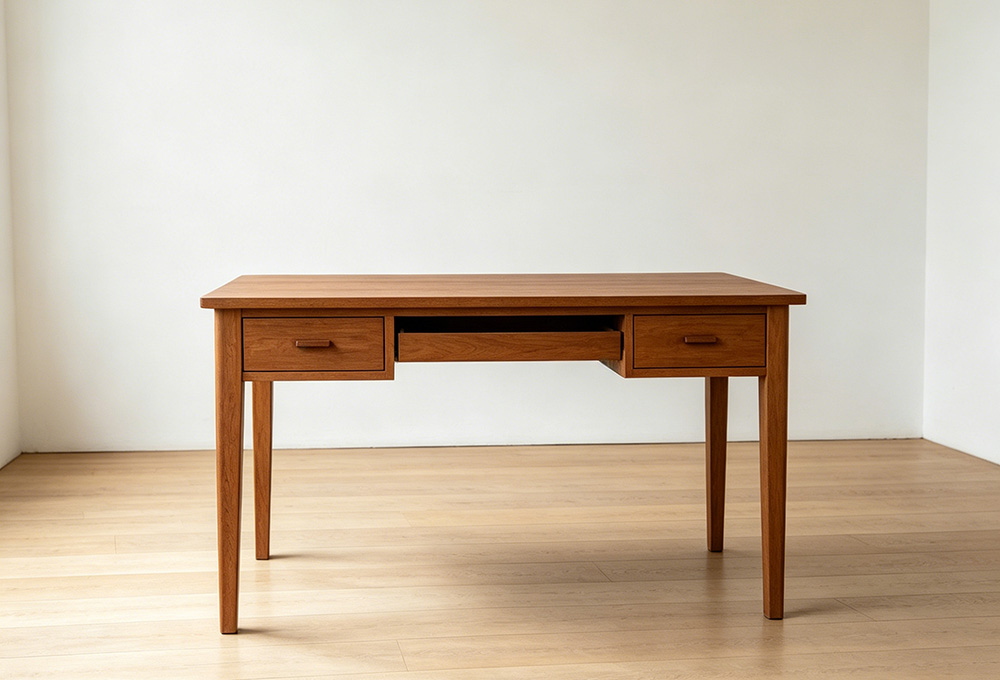
Standing desks combine health and comfort as useful furniture. They do not fix every problem, but regular use improves your work, reduces soreness, clears the mind, and helps focus. Options like electric, foldable, solid wood, and bamboo standing desks fit home workers, office staff, and students. Companies can work with good makers to buy wholesale desk items. This lowers costs and creates healthy spaces for everyone. A quality standing desk invests in your health and gives ongoing comfort every day.
FAQ
1. Is it worthwhile to buy a standing desk?
Yes, it is. The first cost exists, but benefits like better posture, health, and efficiency are worth more. Basic models still improve daily work a lot.
2. How long should people stand and work at a standing desk every day?
No single rule exists. Start with 1 to 2 hours if new, then build to 4 to 6 hours. Mix sitting and standing to avoid tired legs.
3. Do people need special shoes when using standing desks?
No special shoes are required. Wear comfortable ones with support and skip high heels or unsupportive flats. Anti-fatigue mats help feet more.
4. Can standing desks assist weight loss?
They do not cause fast loss, but standing burns 100 to 200 extra calories daily versus sitting. With good food and exercise, it helps control weight over time.
5. Are wholesale desk purchasing channels only available for large enterprises?
No. Many makers offer good wholesale desk prices to small businesses, teams, and individuals buying several at once. Ask about deals even for smaller orders.