
What Is a TV Unit?
You buy a new TV. Then you need furniture to hold it. A TV unit does that job. It does more than act as a stand. It makes your living room look better and work better too. This article tells you what a TV unit is. It covers the common types. It explains why you need one. It shows how to pick the right style. It lists key mistakes to avoid. If you look for wholesale TV units for home or business use, we give you useful tips as well.
What Is a TV Unit?
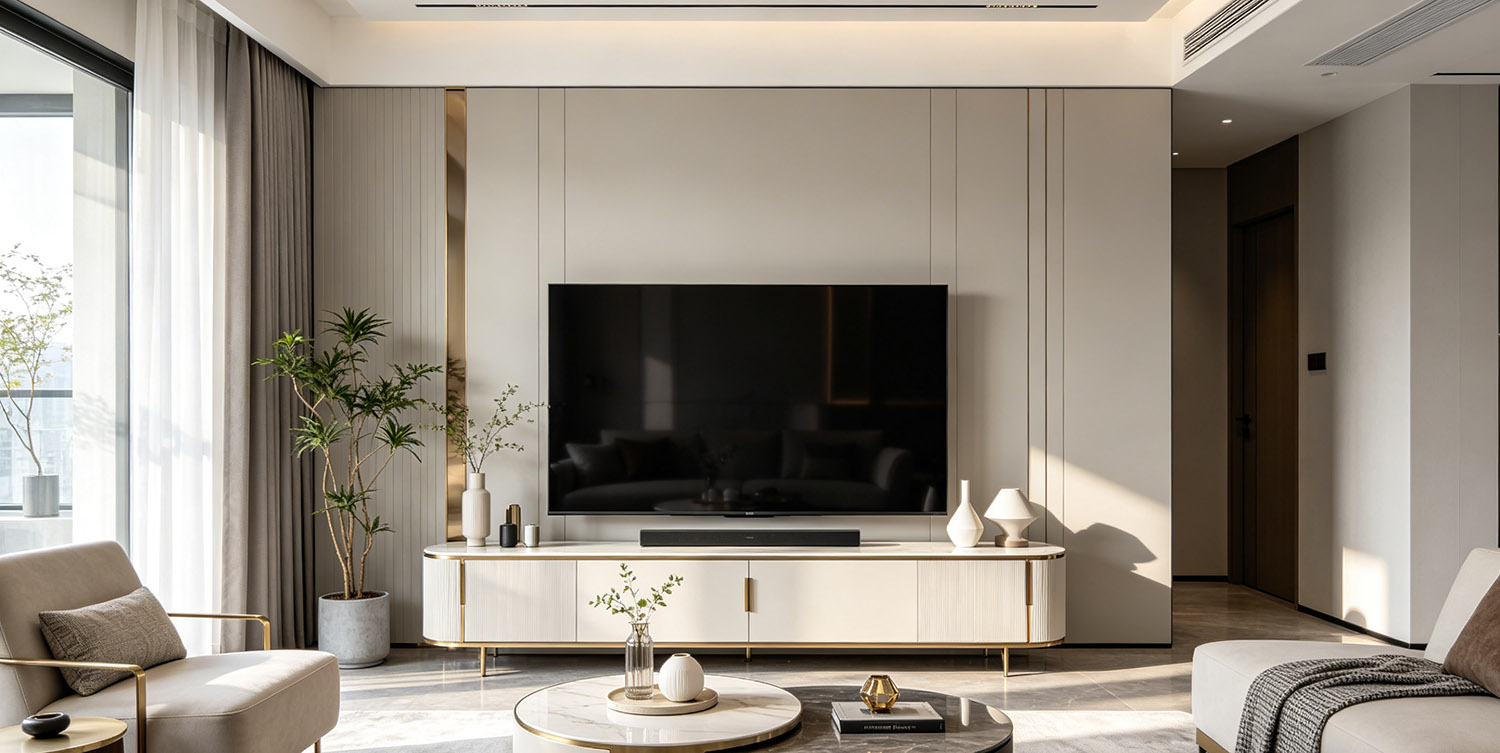
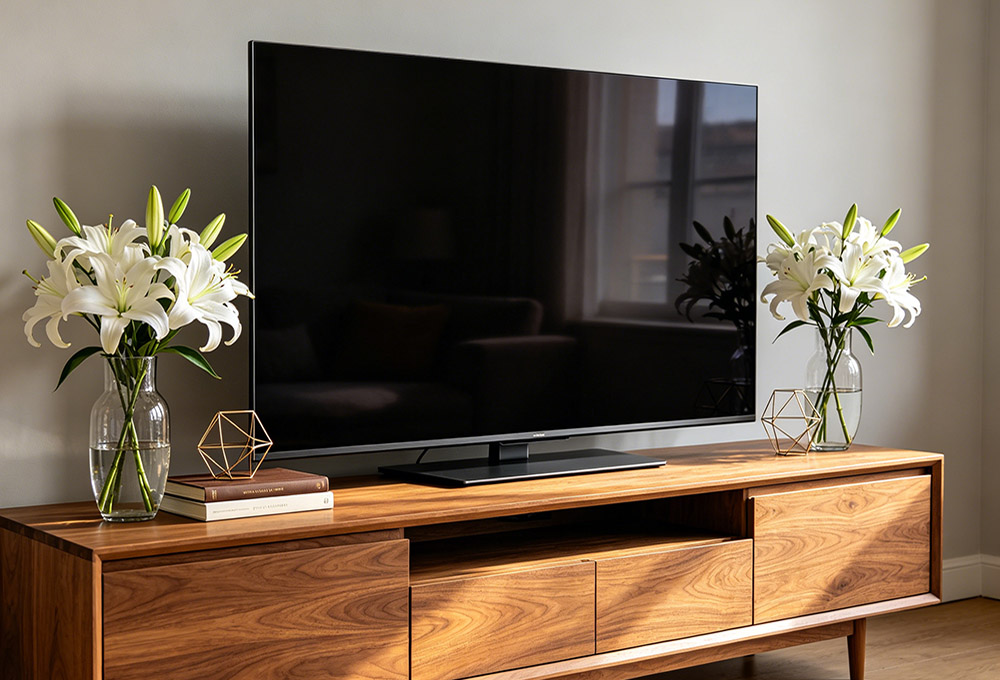
A TV unit is furniture made to hold a television. It can be a simple flat stand. It can also be a big cabinet with shelves and drawers. Most homes today use one. It keeps the TV steady. It puts the TV at a good height for watching. Without a TV unit, the TV may sit on the floor or a normal table. That looks messy. It can also create safety problems.
TV units come in many shapes and sizes. Some are long and low. They work well with big-screen TVs. Others are narrow and tall. They fit small spaces. They often have holes to hide cables. They may have glass doors to show game consoles. The main job of a TV unit is to hold the TV. It does many other things too.
A good TV unit helps you organize the entertainment area. It stores remote controls, DVDs, speakers, and books. Everything stays in one spot. You do not need to look around for things. People often miss one more benefit. A TV unit protects the TV from bumps and spills. This helps a lot if you have kids or pets at home.
Common Types of TV Units
TV units come in many styles. Each style fits different rooms and needs. Here are the four most common types you see in stores and online.
1.Wall-mounted TV unit — It attaches straight to the wall. This saves floor space. It has a clean and simple look. It works well in small apartments or modern rooms.
2.Corner TV unit — It fits into the corner of a room. It uses space that would stay empty. It suits living rooms with odd shapes.
3.Floating TV unit — It is like a wall-mounted unit. It has a shelf that sticks out from the wall. You can put a soundbar or decorations under the TV.
4.Modular TV unit — It has separate pieces. You can arrange them any way you like. You can add more shelves or cabinets later. It gives good flexibility for families that grow.
What Are the Functions of a TV Unit?
A TV unit is more than a stand. It has several important jobs in the home. It offers three main benefits.
1.Hides messy cables — Wires from the TV, game consoles, and speakers can look bad. Most TV units have holes in the back panel. These holes keep the wires out of sight.
2.Adds storage space — It holds DVDs, game controllers, and kids’ toys. Drawers and cabinets keep items clean and tidy. They remove clutter near the TV.
3.Enhances interior style — A good TV unit makes your living room look put together. It matches your sofa, rug, and coffee table. It works for electronics and adds a nice decorative touch.
How to Choose the Right TV Unit for Your Home?
Many choices exist. Picking a TV unit can feel hard. You can find the right one if you follow a few simple steps. Think about these points when you shop.
First, measure the space before you buy. Use a tape measure. Check the width, height, and depth of the area. Leave enough room to walk around. A TV unit that is too big makes the room feel tight.
Second, look at the material. Solid wood feels strong and classic. Metal and glass give a modern look, but they show fingerprints. For homes with children, pick models with rounded corners and surfaces that clean easily. Also check the weight limit. It must hold your TV and other items safely.
Finally, match the style to your home. A rustic wooden TV unit fits farmhouse rooms. A glossy white design suits minimalist apartments. Pick colors and finishes that go with your other furniture. If you feel unsure, use neutral colors like gray, black, or natural wood. They are safe choices.
Three quick tips for your final decision:
•Check the depth — The TV unit should be at least as deep as your TV base. It should not make the TV look pushed back.
•Prioritize ventilation — Electronics make heat. Pick a unit with an open back or gaps for air.
•Plan for the future — You may get a bigger TV or add more devices later. Choose a unit that can handle those changes.
Common Mistakes to Avoid When Buying a TV Unit
Many people feel sorry after they buy a TV unit too fast. Do not repeat those mistakes. Stay away from these three common errors.
First, ignore cable management. You buy a nice unit and set up the TV. Then you see hanging wires everywhere. They spoil the look and can cause trips. Always pick a unit with cable holes. You can also use clips to keep wires neat.
Second, forget viewing height. The middle of the TV screen should sit at eye level when you sit on the sofa. A unit that is too high or too low hurts your neck. Measure your sofa height. Subtract a few inches. Then pick a TV unit with the right height.
Third, buy only the cheapest option. Low-price TV units often use weak particleboard. It may bend or break after one year. They also come with bad instructions and missing parts. Spend a bit more on solid wood or good MDF. This makes the unit last much longer.
Three key rules to remember:
•Never buy without measuring — Guessing causes returns and extra trouble.
•Never ignore weight capacity — A weak unit may fall and break your TV.
•Never overlook other devices — Make sure you have space for your soundbar, game console, or streaming box.
A TV unit is a simple but important piece of furniture. It holds your TV. It hides cables. It gives storage. It makes your space look nice. You may need a small corner stand or a big modular system. Take time to measure, compare materials, and skip common buying mistakes. If you buy for a hotel, office, or rental place, wholesale TV units can help you save money. Still, always put quality first. A smart choice means your TV unit works well for many years.