
What Is the Best Wood for a Bookcase?
When setting up a study, the bookcase is very important. Whether you make one or buy one, picking the right wood matters. Good wood makes a bookcase strong and nice to look at. So, what wood works best? Let’s find out.
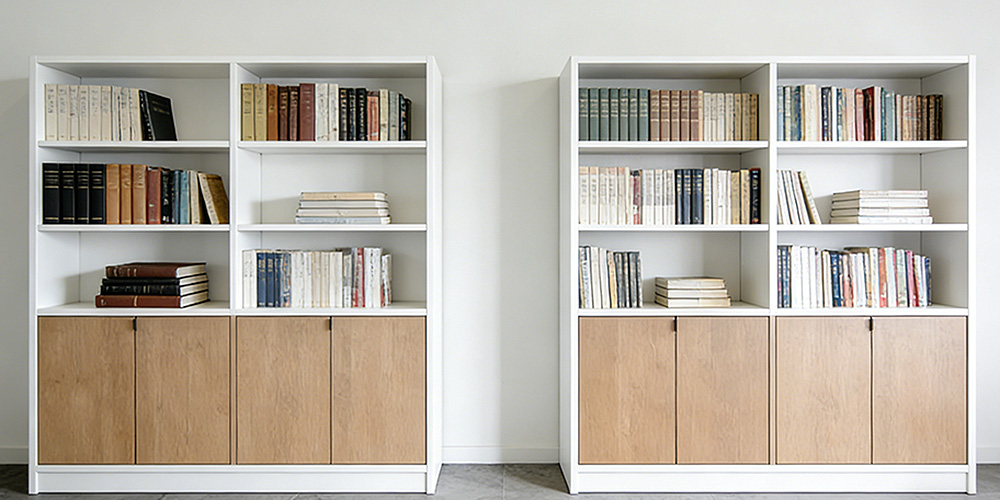
What to Look for in Bookcase Wood
First, think about durability. A bookcase holds many books for a long time. The wood must be strong so it does not bend or break. Density and hardness decide how long the bookcase will last.
Next, consider load-bearing. Some woods hold weight better than others. Hardwoods carry more than softwoods. If you have heavy hardcover books, choose a strong wood.
Appearance is also key. Wood color and grain change the look of your study. Light wood fits modern styles. Dark wood suits classic rooms.
Finally, remember your budget. Wood prices vary. Hardwoods and solid wood cost more. Engineered wood usually costs less. Pick what fits your money and needs.
Is Solid Wood Good for Bookcases?
Solid wood is a common choice. It looks natural and elegant. Each piece has unique grain. It is very strong and holds weight well. It rarely warps over time.
But solid wood has downsides. It is often expensive. It can also react to air moisture. Too dry or too damp air may cause cracks.
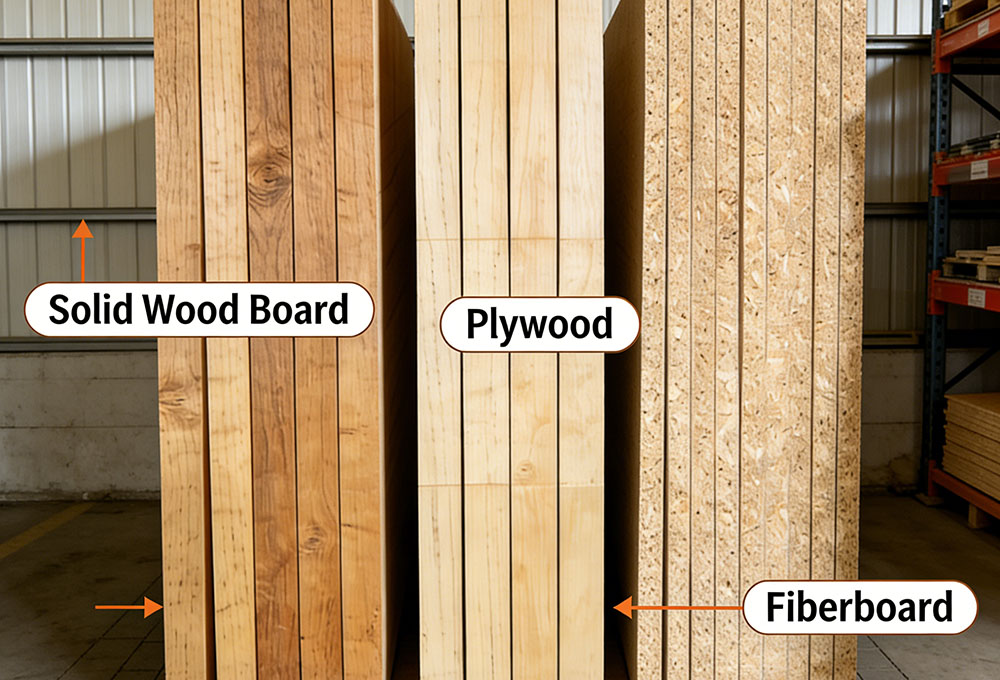
Engineered wood is another option. It includes particleboard, MDF, plywood, and OSB. It usually costs less than solid wood.
Each engineered wood is different. Particleboard is light but not very strong. MDF has a smooth surface, good for painting. Plywood has layers, so it is stable and strong.
Good Woods for Bookcases
Oak is a top choice. It is a hardwood, very dense and hard. It carries weight well and lasts long. Its grain is beautiful and clear. It fits both modern and classic styles.
Walnut is a premium wood. Its color is deep brown. It looks luxurious and stable. It is hard, resists wear, and holds weight well. Each piece has unique grain. It is expensive but high quality.
Pine is a softwood and budget-friendly. It has a light, natural color. It is easy to cut and shape, good for DIY. It holds books well for everyday use.
Cherry Wood has a warm color that darkens over time. It is hard and stable, resisting cracks. Its grain is fine and smooth. It suits most decor styles.
Maple is known for hardness. Its color is light with fine grain. It holds many books easily. It finishes smoothly and fits modern minimalist styles.
Ash Wood is strong and tough. Its color is light brown with straight grain. It holds weight well and resists wear. It is moderately priced, offering good value.
Woods to Avoid for Bookcases
Cedar has a nice smell but is too soft. It cannot hold heavy books and may bend or collapse.
Cypress is soft and easily scratched. It reacts to humidity and may warp or crack.
Teak is high-end but not practical. It is very expensive, may stain books with oils, and is too heavy to move easily.
Mahogany is rare and costly. It is brittle and hard to shape, often cracking during building.
Poplar is too soft for heavy books. It bends easily and can attract insects.
Paulownia is very light and weak. It bends under weight, absorbs moisture, and may mold.
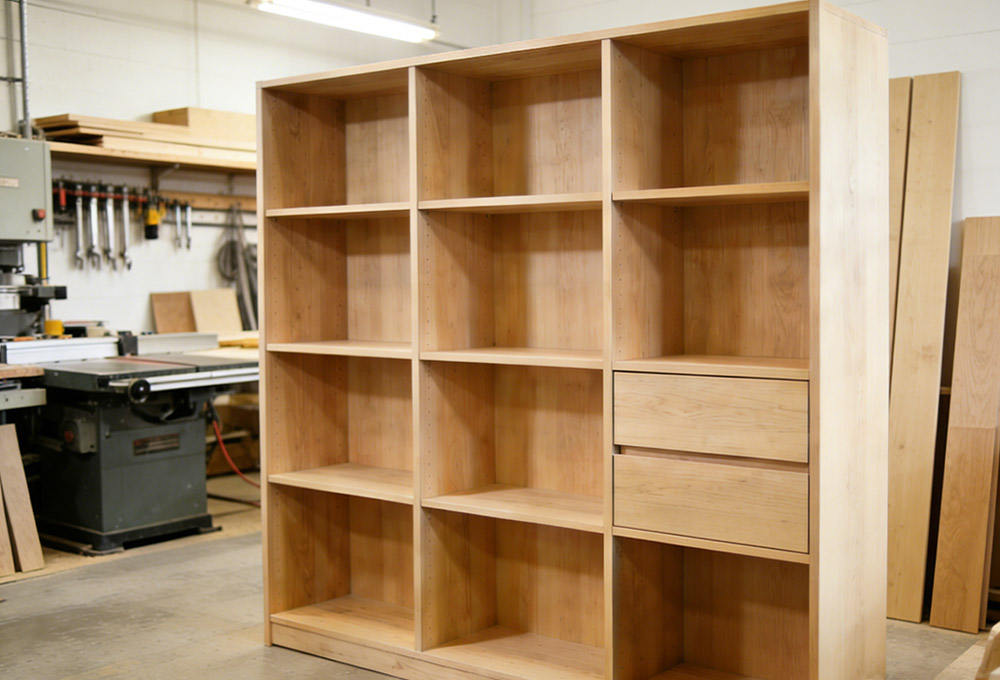
Low-Cost Woods for DIY Bookcases
Pine is the most economical choice. It is much cheaper than hardwoods and easy to find.
Particleboard is another low-cost option. It is lightweight and simple to work with, good for beginners.
Plywood offers a middle ground. It is more stable than particleboard and resists bending. It is easy to shape for different styles.
When choosing cheap wood, also think about working with it. Pine and particleboard are easy to cut and assemble, even without special tools.
How to Build a Bookcase?
First, make a plan. Decide the size based on your space and books. Draw a simple design with shelf positions.
Second, get materials and tools. Buy wood, screws, hinges, and paint. Have a saw, drill, screwdriver, tape measure, and level ready.
Third, cut the wood. Follow your design sizes. Make straight cuts and sand edges smooth.
Fourth, assemble the bookcase. Build the frame first, then add shelves. Use a level to keep it straight. Finally, paint or varnish to protect the wood.
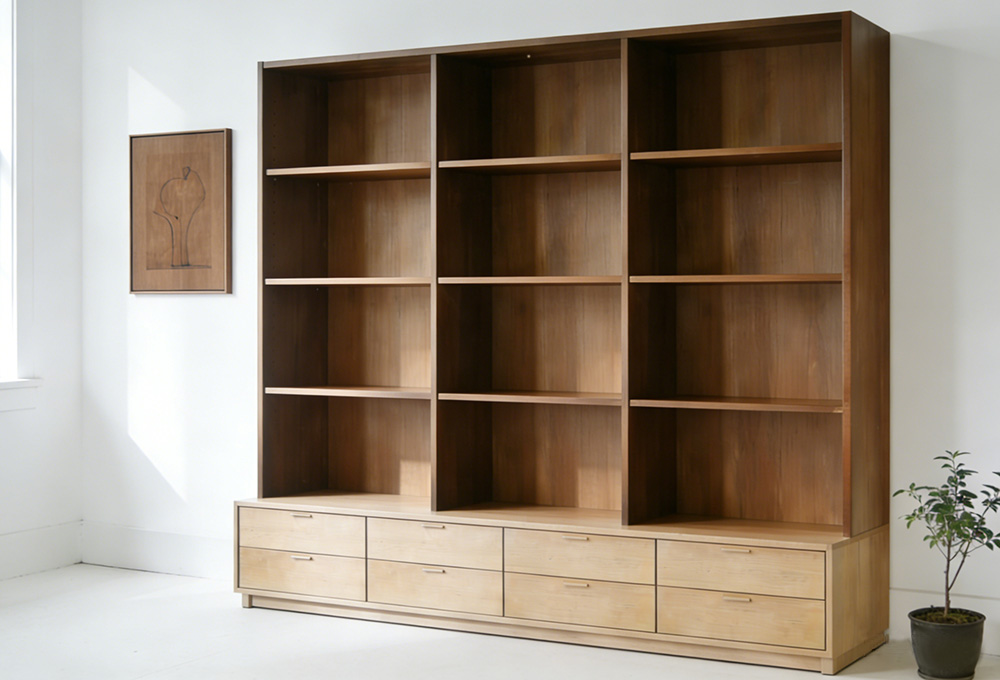
How to Buy a Finished Bookcase
Start by knowing what you need. Choose a size and style that fits your room and books.
Check quality carefully. Look at the wood material and how sturdy it is. For solid wood, check for cracks. For engineered wood, see if surfaces are flat and glued well. Test stability by shaking it gently.
Consider buying from a wholesale furniture maker. The price of wholesale bookcase is usually lower, better quality control, and custom options.
Compare different sellers. Look at websites or stores and read customer reviews. This helps you choose a reliable brand.
Choosing the right wood is key to a good bookcase. Oak, walnut, pine, cherry, maple, and ash are all strong choices for different needs and styles. Avoid cedar, cypress, teak, mahogany, poplar, and paulownia—they are either too weak, unstable, or too costly. Whether you build or buy, the right wood makes a lasting, useful bookcase.