
What Type of Wood is Best for a Dining Table?
Many people love solid wood furniture. Dining tables sit at the top of that list. Not all wood lasts the same. Some types last decades with heavy daily use. Others wear out fast. You need the right wood. It keeps the table looking good and staying strong for years. So, which wood works best for a dining table? We look at common options. You can see what fits your needs.
Peach Wood
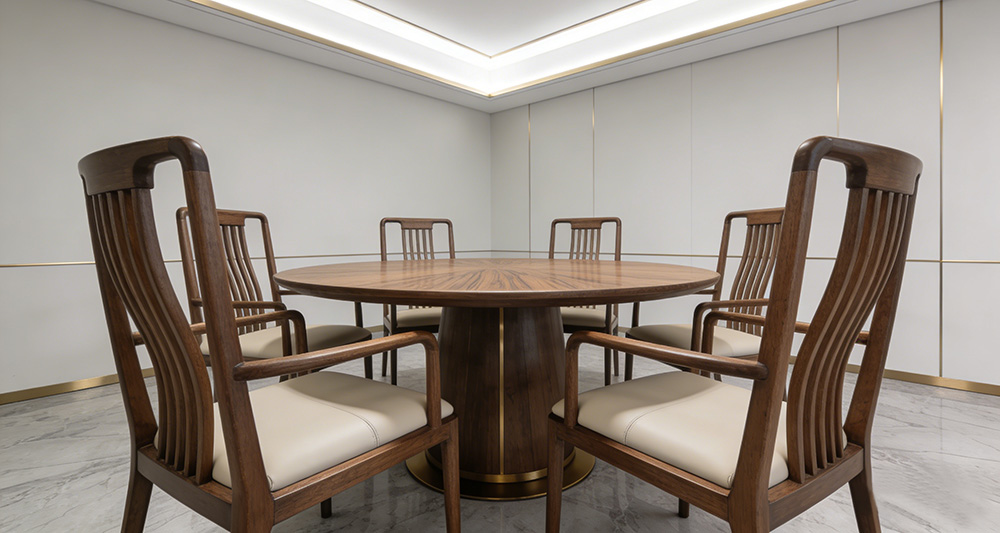
Peach wood comes from the peach tree. It has a soft and light look. Many people find it warm and inviting. The color starts pale pinkish. It turns gentle golden over time. The surface feels smooth. It suits smaller homes. The table does not face heavy traffic every day. You can stain it easily. It matches almost any room style.
The big advantage is price. Peach wood costs less than many hardwoods. It keeps your budget in check. The grain is subtle. You pair it easily with colorful chairs or tablecloths. It weighs less than oak or teak. Moving it for cleaning or rearranging stays simple. Families with casual meals often enjoy this friendly feel.
Peach wood has downsides. It is softer than most woods here. Kids pushing chairs hard cause dents. Hot pans without a trivet leave scratches. Spills sitting too long bring swelling from moisture. Everyday tables with lots of use need extra care. Use coasters and quick wipe-ups. They keep it looking fresh.
Pine Wood
Pine wood gives a classic choice. People want that cozy cabin feel at the table. Pine grows fast. It stays affordable and easy to find. The natural color runs light yellow to creamy white. Darker knots add unique rustic character to each table. Many enjoy how pine ages. It develops a soft patina after a few years.
Pine offers light weight and simple style. You can paint it. You can stain it dark. You can leave it natural. It works well with farmhouse decor or modern minimal rooms. Families who do weekend brunches and game nights like it. Pine handles light scratches. It feels welcoming. New pine even has a nice smell. Some find that comforting.
Pine is a softwood. It marks up faster than hardwoods. Heavy plates or dropped utensils cause dents. Humidity shifts make the wood expand or contract. Small gaps appear over time. Busy homes needing a tough table every day face more work. Pine requires frequent touch-ups to look its best.
Oak Wood
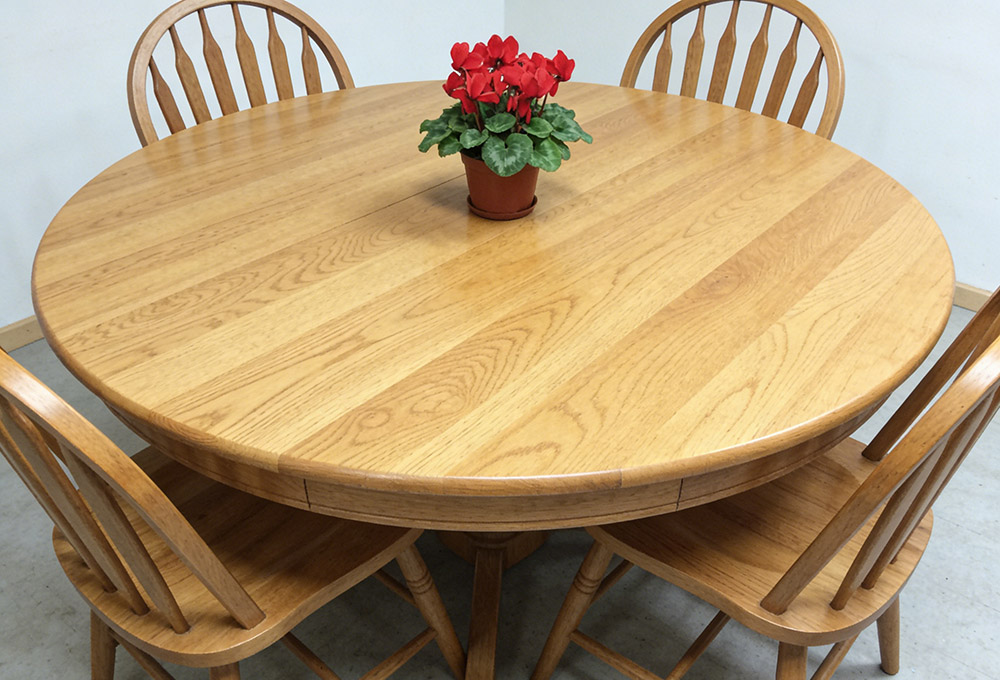
Oak wood ranks as a top pick for dining tables. It has good reasons. Oak grows strong and dense. It resists dents and scratches better than soft woods. The grain forms beautiful wavy lines. Light catches them. Every table feels special. You pick red oak for warmer tone. White oak gives a clean modern look.
Durability stands as oak’s main strength. It takes daily family meals. It handles holiday gatherings. Kids do homework on it. Wear stays low. Sealed oak resists moisture well. People pass oak tables to the next generation. They remain solid and beautiful for decades. Oak takes stains evenly. You match any room color.
Price and weight present the main issues. Oak costs more than pine or peach. The table feels heavy to move. Small spaces or frequent layout changes make weight a factor. Most families want a lifetime table. Oak gives real value.
Maple Wood
Maple wood provides a clean and bright look. It fits modern kitchens and dining areas. The color stays light and even. The fine tight grain appears smooth and creamy. Hard maple is the usual type for furniture. It counts among the toughest woods. It stands up to bumps and scrapes much better than pine or peach.
Maple hides dirt and small marks well. Busy families like quick wipes after meals. Finished maple holds up to heat and moisture. Hot dishes and spills worry less. Many restaurants pick maple. It offers long-lasting surface and fresh style.
Maple costs more than basic woods. Unfinished maple shows every tiny scratch. Darker stains hide marks better. Natural light tone needs regular oiling. It stays rich. Maple hits a good spot. You get bright contemporary feel for daily use. It avoids super high cost like teak.
Teak Wood
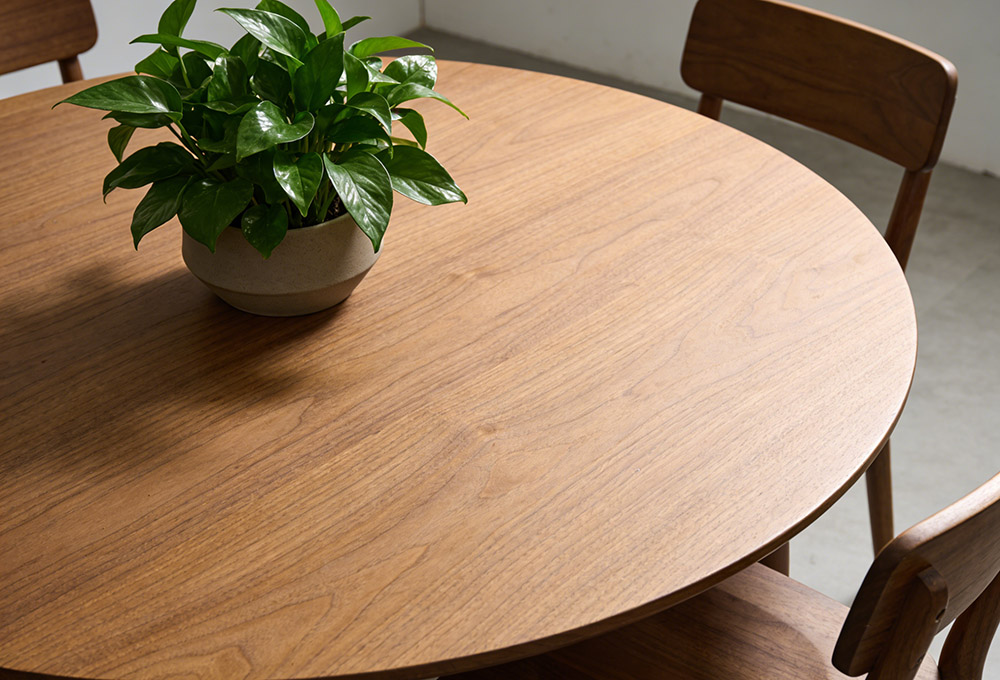
Teak wood grows on tropical trees. It earns a name as one tough option for dining tables. Teak fights water and insects naturally. Spills and humidity cause little damage. The golden-brown color deepens with age and sun. Your table gains warm expensive look that improves yearly.
People pick teak for strong durability. It works on outdoor patios and indoor rooms. Natural oils protect the wood. Heavy chemical finishes stay unnecessary. Families hosting big dinners or living in humid areas choose teak. It remains stable and beautiful for decades with little effort.
Cost forms the main drawback. Teak prices higher than oak or maple. It grows slowly in limited areas. The table weight makes moving hard. You want a table that ignores wear and looks great. Teak proves hard to beat.
How to Choose a Dining Table?
Start shopping for the perfect wholesale dining table. First think about family use. Do you host big holiday meals? Or keep most nights casual with few people? Measure the room. The table fits without crowding chairs or paths. Hardwoods like oak or maple suit heavy daily use. Softer woods like pine fit lighter needs. Check finish quality. A good protective coating helps any wood last longer.
Next match wood to lifestyle and style. Kids and pets around a lot? Choose dense scratch-resistant types like maple or teak. You love warm farmhouse style? Pine or oak feels right. Budget matters a lot. A wholesale dining table from good suppliers brings better prices on solid wood. Quality stays high. Ask about wood source and finish. You know what lasts long.
Finally consider maintenance and plans. Some woods need more oiling. Others wipe clean fast. Think about moving or new homes. Heavy tables like oak or teak turn tricky to transport. Shopping for a wholesale dining table helps compare choices. You find the exact fit for your home. Take time. Sit at samples if you can. Picture daily life around it.
How to Clean a Wood Dining Table?
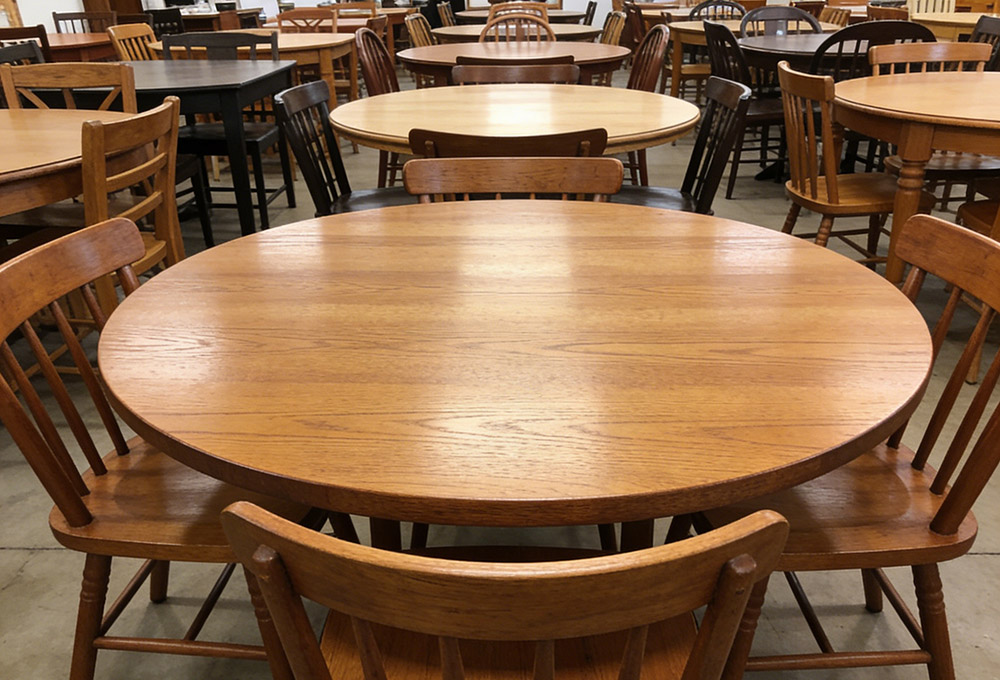
Clean your wood dining table right. It stays fresh for years. No fancy tools needed. Wipe spills right away with a soft dry cloth. For daily dirt use mild dish soap and warm water. Put it on a damp microfiber cloth. Wipe gently along the grain. Dry fully with a clean towel. This daily step stops most stains.
Once a week do deeper cleaning. Use a bit of wood cleaner. Or mix olive oil and vinegar at home. Rub lightly. Let sit one minute. Buff with soft cloth. This feeds wood and adds shine. Skip harsh chemicals or rough pads. They strip finish and cause dull areas. For your wholesale dining table bought in bulk follow maker instructions. It keeps warranty good.
Every few months check marks or dryness. Surface dry? Apply thin food-grade mineral oil or beeswax. Let soak overnight. Wipe extra off. This routine stops cracks. Color stays rich. Regular care keeps even the busiest table beautiful. It handles many family meals and gatherings.
In the end the best wood depends on routine budget and style. Oak and maple win for most homes. They balance strength beauty and price well. Teak stands out for top durability. Pine or peach wood suits lighter casual spaces. Pick any. Proper care changes everything. Ready for a strong beautiful piece? Look at wholesale dining table options today. You enjoy a table that fits just right for years.