
Wholesale Cushion Buying Guide for New Furniture Shops | Mihran
We talk with new furniture shop owners each week. They tell us the same story. They rush their first wholesale cushion order and pick too many styles. Six months later, their stock‑room is full of slow‑moving goods. Sourcing a wholesale cushion collection is a low‑cost way to stock a new store. But it works only when you follow a clear buying plan. This guide uses our work with hundreds of furniture retailers. It shows how customization helps you avoid common buying mistakes.
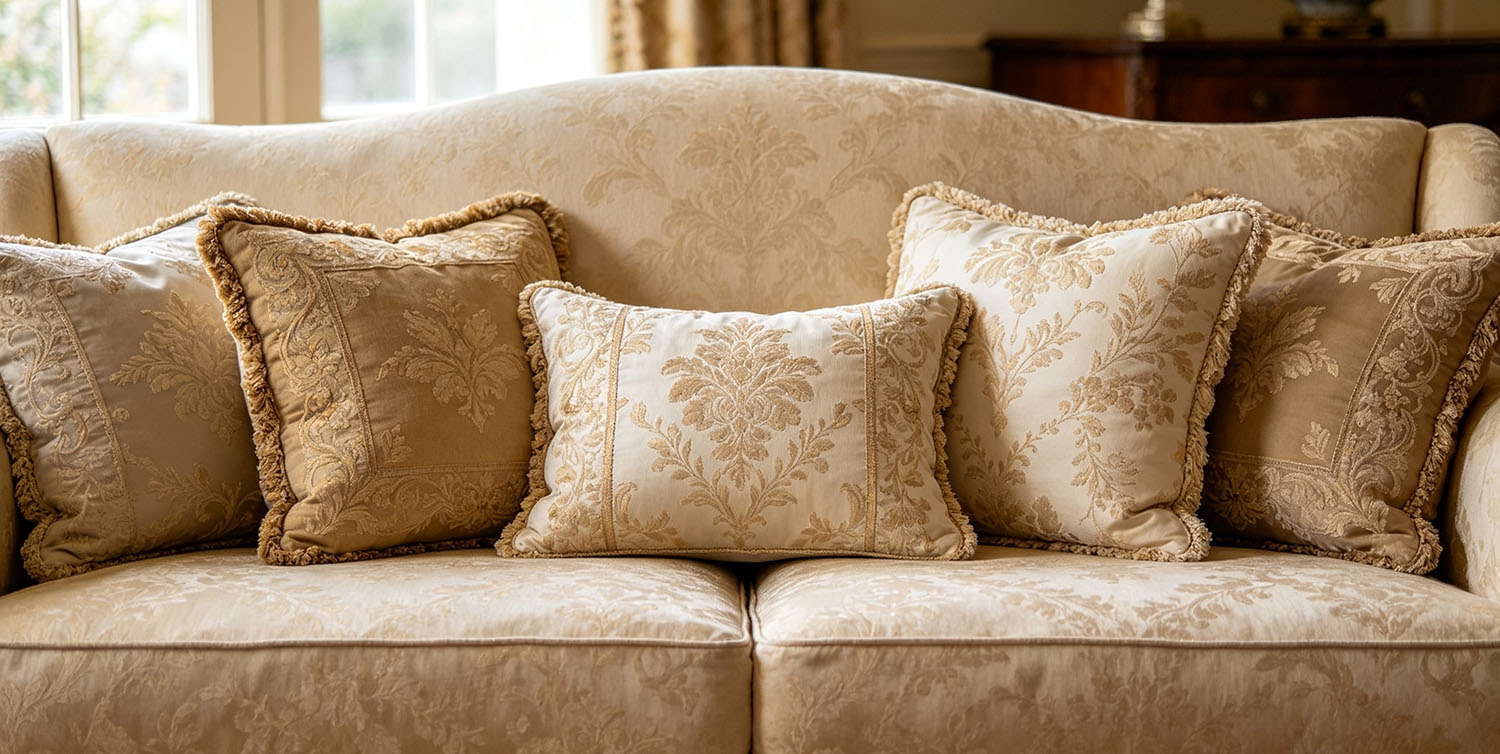
Why Your First Cushion Order Sets the Tone for Your Shop
Most shop owners do not see how important the first wholesale cushion order is. It shapes your profit for the whole year. Restocking proven best‑sellers is much easier than clearing bad inventory.
Cushions also bring a new showroom to life fast. A bright cushion wall costs much less than full sofa displays. It still catches shoppers’ eyes as soon as they walk in.
Cushions can also create repeat customers. If shoppers know your shop carries well‑made, fairly priced, fresh designs, they will come back each season to see new arrivals.
Know Your Customer Before You Open the Catalog
We see this mistake again and again. A retailer loves a bold designer print. The retailer orders 200 pieces. Later, local buyers only want neutral cushions. A smart wholesale cushion purchase follows your target customers, not your own taste.
Answer these questions before you order:
•What color palettes dominate the best‑selling sofas in your local market?
•Are your main shoppers budget‑focused renters or long‑term homeowners?
•What is the average amount customers spend on impulse items locally?
•Which cushion sizes fit the furniture models you carry in‑store?
Set aside one afternoon to watch how customers choose products in your shop. That short session will save you more money than any formal sales meeting.
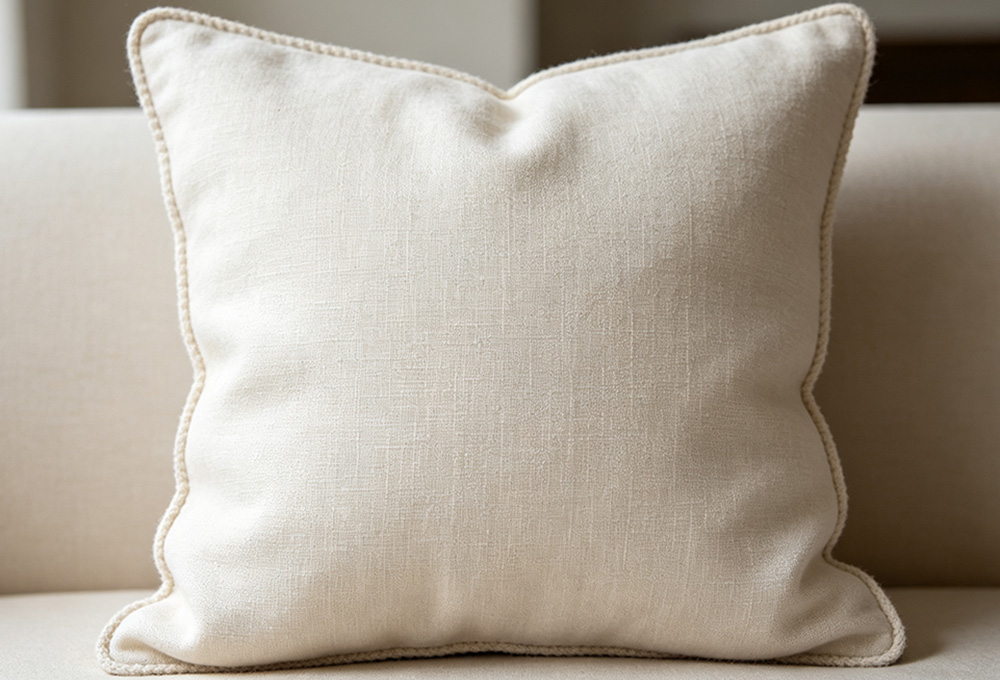
The Fabric and Filling Details That Decide Quality
Two cushions can look the same in photos. They can feel totally different when you touch them. When you browse wholesale cushion product listings, ignore pretty marketing images. Focus on technical specifications.
Evaluate every sample against these criteria:
•Fabric weight measured in GSM; 250 GSM is a reliable minimum benchmark
•Filling density, because loose fiber padding will flatten within several months of use
•Removable cushion covers fitted with heavy‑duty zippers
•Double‑stitched seams and corner construction
Try this simple hands‑on test. Squeeze the cushion firmly, then release it. High‑quality cushions bounce back within two seconds. Poor‑quality cushions keep creases. Your customers will notice these defects within one week of use.
MOQ and Pricing: The Numbers Nobody Explains Clearly
Most suppliers set per‑style minimum order quantities from 50 up to 500 units. For newly opened stores, negotiate a smaller trial order before you commit to large‑volume purchases.
Keep these financial points in mind while you compare wholesale cushion quotations:
•Sea freight usually adds 15‑25 % to your total product costs
•Individual samples generally cost $20‑50 each; sample fees are sometimes refundable
•Standard payment terms: 30 % deposit upon confirmation, 70 % balance due before shipment
•Unit prices drop a lot for orders of 300‑500 pieces and above
Always calculate full landed cost per cushion. Do not rely only on factory unit pricing. Many new shops have lost heavy money by choosing the lowest‑looking quote on paper.
A Real Story: The Shop That Skipped the Samples
One new furniture retailer shared his story last year. He ordered 400 wholesale cushion units in velvet based only on online photos. The low quoted price tempted him. When goods arrived, the velvet fabric was thin. Zippers caught while opening and closing. Twenty cushion covers had loose stitching threads. Returns were not accepted. Marked‑down inventory sat unsold for two selling seasons.
Follow these steps before you place any bulk order:
•Order at least two samples and use them in real home conditions
•Launder one cushion cover to test color fastness and fabric shrinkage
•Pull firmly at cushion corners to verify seam durability
•Ask whether dimensions and fabrics can be modified through the customization service
Sampling may seem to slow you down. But it is the most affordable risk protection for your business.
Storage and Turnover: Where New Shops Get Stuck
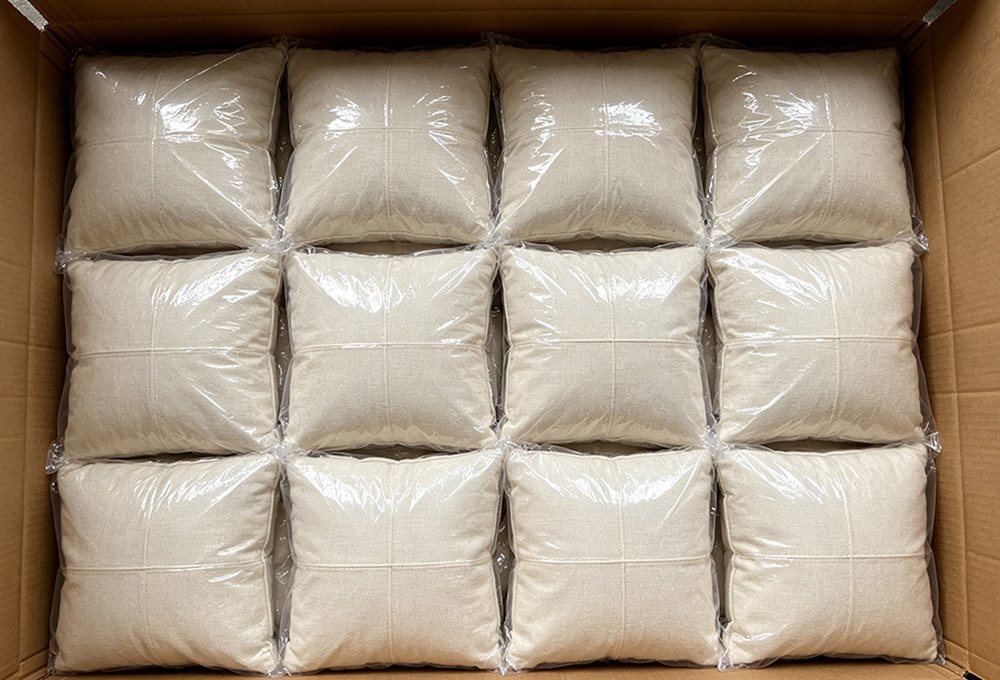
Cushions look compact in catalog pictures. But they take up a lot of warehouse space. One large‑volume wholesale cushion shipment can fill forty cartons. Storage space equals operating cost for new retailers.
Adopt these practices to protect healthy cash flow:
•Work with a fixed monthly purchasing budget; re‑order proven best‑sellers instead of gambling on untested styles
•Apply early discounting for any cushion SKU still unsold after 60 days
•Position top‑selling cushions at eye level near your store entrance for maximum exposure
•Log sales performance for every cushion design in a basic spreadsheet from launch day
Inventory turnover always beats sheer order volume. A store that moves 50 cushions three times a month will outperform a shop stuck holding 500 slow‑selling units.
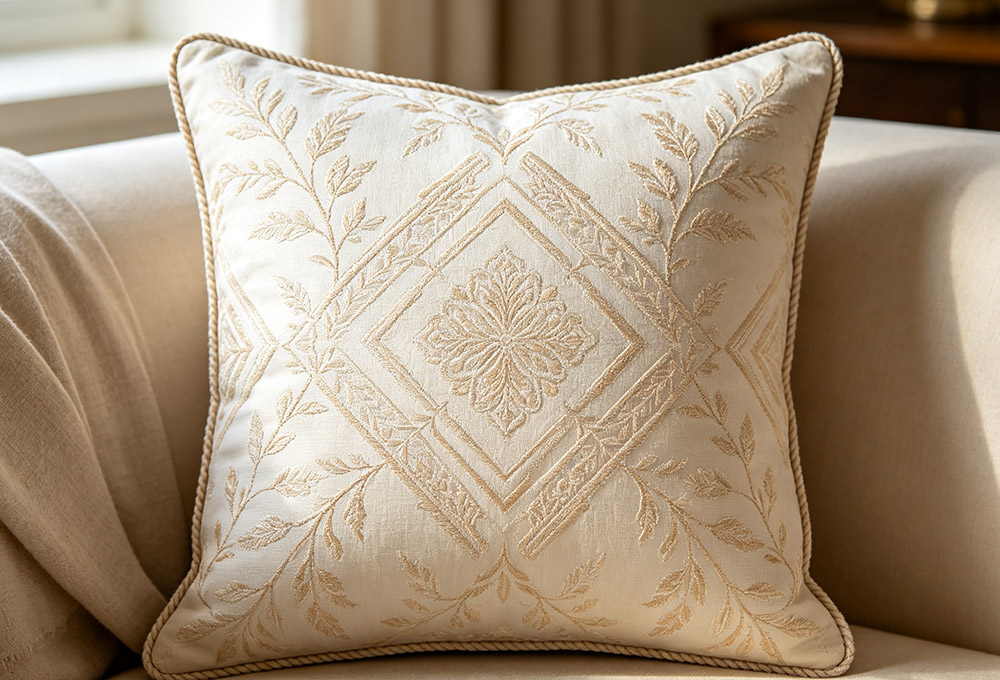
Customization Is Your Secret Weapon Against Bigger Competitors
Large chain retailers sell the same wholesale cushion assortments in all locations. Small independent shops gain an edge by offering goods that mall outlets do not carry. Customization creates this market difference.
Effective ways small retailers use customization:
•Exclusive color palettes aligned with local interior‑design trends
•Bespoke dimensions tailored to regional furniture styles you stock
•Private labelling featuring your shop brand rather than the manufacturer brand
•Limited‑run seasonal collections for holidays without long‑term inventory exposure
Share your product story with shoppers. Tell customers, “This collection was created only for our shop.” This helps justify lifting price points from 25 per cushion. Buyers will accept the added value.
How to Spot Wholesale Cushion Manufacturers Worth Keeping?
Trusted manufacturers act like real business partners. They reply within 24 hours. They alert buyers to upcoming delays before problems grow. They keep the same quality standards for repeat orders as for first purchases. Dependable wholesale cushion manufacturers show these positive signs:
•Responsive sample support with fully transparent pricing
•Clear, direct answers about lead times and production timelines
•Consistent product quality across successive bulk shipments
•Readiness to fulfil small opening‑run orders and custom‑spec requests
Source quotes from two manufacturers. Place small trial orders with each. Then choose your long‑term supplier based on real delivery performance. The right manufacturing partner will support your business for years ahead.
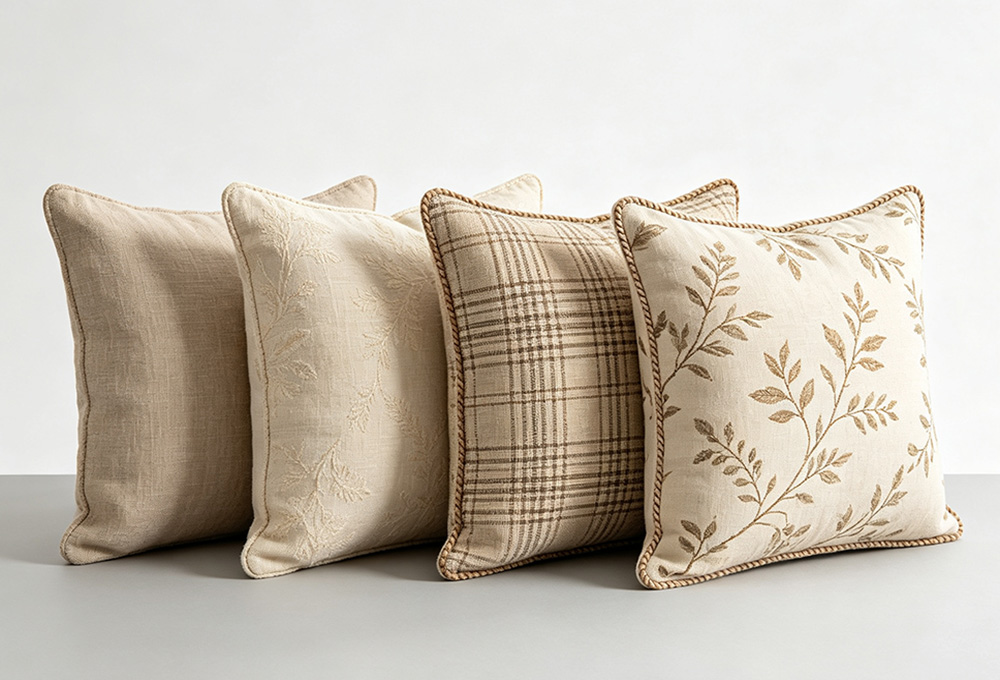
Sourcing wholesale cushion products ranks among the lowest‑risk, highest‑margin moves for newly opened furniture shops. Center your purchasing decisions on customer demands. Validate quality with physical samples. Compute accurate landed costs. Replenish items that sell well. When you are ready to stand apart from competitors, explore customization to stock exclusive cushions rivals cannot copy. The winning formula for small retailers combines careful buying practices with one‑of‑a‑kind product offerings.
FAQ
1. What is a realistic first order size for a new furniture shop?
Order 50‑150 cushions covering three to five distinct designs. Keep initial volumes modest. Monitor sales performance for 60 days. Then confidently re‑order your top‑performing styles.
2. How much should a sample cost, and who pays for it?
Expect sample pricing of $20‑50 per unit plus shipping charges. Many manufacturers refund sample costs or deduct them from your first bulk order. Make sure to confirm this point.
3. What is the biggest mistake new shops make when buying cushions?
Placing large orders from photos without receiving physical samples, and ordering too many different designs at once. Both errors drain cash flow and can easily be avoided.
4. How long does production and shipping usually take?
Production normally requires 15‑30 days post‑deposit. Sea freight adds another 20‑40 days depending on destination port. Plan 2‑3 months in advance for seasonal merchandise.
5. Can a small new shop really order customized cushions?
Yes. Multiple manufacturers offer relaxed minimum‑order thresholds for custom fabrics and sizes, especially for clients planning future repeat orders. Discuss customization requirements before your first bulk order to align expectations for both parties.