
What Is the Best Mattress?
You can buy most furniture slowly for a new house. But you need a bed immediately. Without a bed, there is no proper place to sleep. After getting a bed, people often feel unsure about choosing a mattress. So, what is the best mattress? This article explains.

What Is a Mattress?
A mattress is a thick pad for your bed frame. It supports your body during sleep. Its purpose is to improve comfort and protect the bed frame. Mattresses use different materials and designs. They all share one goal: to give you better rest.
The mattress cushions your body from the hard frame. Sleeping directly on a frame causes pressure points. It also leads to poor sleep. A good mattress helps maintain healthy posture over time.
Mattresses are not identical. Designs change based on needs like firmness. They also change for support. Knowing what a mattress is helps you choose the right one.
The Role of a Mattress
A mattress provides essential support. It spreads body weight evenly. This reduces pressure on shoulders, hips, and knees. Good support prevents discomfort. It keeps your spine aligned all night.
A quality mattress improves sleep. It absorbs movement. A partner’s tossing will not disturb you. Proper spine alignment reduces back pain.
A good mattress supports health. Quality materials resist dust mites and mold. This creates a clean sleeping space. It is important for people with allergies. It is also important for those with breathing issues.
Types of Mattresses
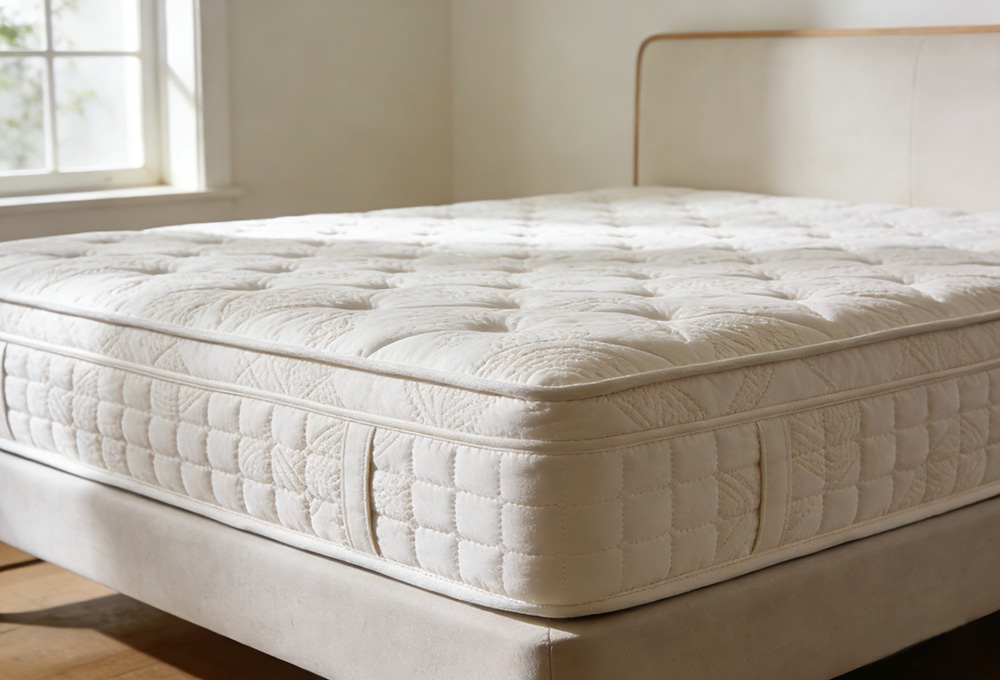
Mattresses are grouped by core material. Each type has different traits. Main kinds are innerspring, memory foam, latex, palm, and air mattresses. The material affects firmness. It affects support and durability.
Some materials are popular in specific regions. Latex is common in Europe and Asia. Innerspring is frequent in North America. Palm mattresses are traditional in tropical areas.
Your choice depends on sleep habits. It depends on your body type and budget. Each material has pros and cons. There is no single best type. There is only the best type for you.
Innerspring Mattress
Core Structure
This core has metal coils for support. The coils are covered with padding like foam. Coil density and thickness set the support level.
Main Types
Main types are pocketed coil, continuous coil, and Bonnell coil. Pocketed coils are individually wrapped. Continuous coils use one wire. Bonnell coils are hourglass-shaped and linked.
Pros
These mattresses breathe well. Air gaps in the coils allow this. They give strong support and bounce. They are usually affordable.
Cons
Coils can become noisy over time. Motion transfer is high. You may feel a partner’s movement. Padding may flatten. This reduces comfort and lifespan.
Suitable Crowd
Ideal for people who like a firm, bouncy surface. Good for back sleepers. Good for stomach sleepers needing spinal support. Also suits buyers on a budget.
Memory Foam Mattress
Core Structure
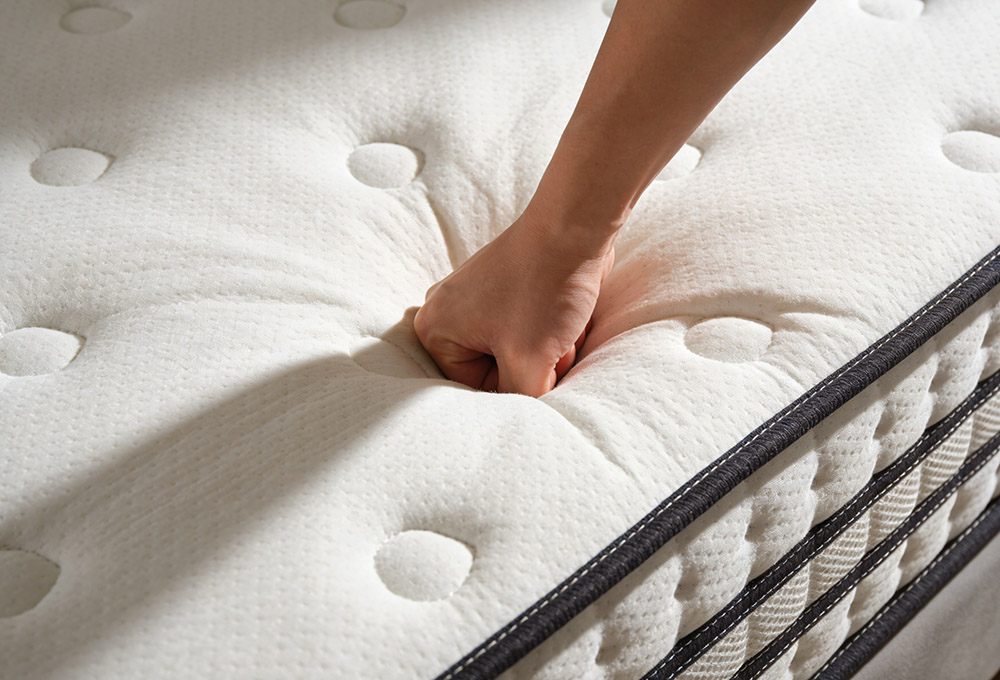
The core is viscoelastic foam. It softens with body heat and pressure. It shapes to your body. A base layer of dense foam adds support. It prevents sagging.
Foam thickness varies from two to six inches. Thicker foam contours more. Thinner foam feels firmer. Some models add cooling foam to reduce heat.
Main Types
Types include traditional, gel-infused, and open-cell memory foam. Traditional foam contours well. It may trap heat. Gel foam adds cooling beads. Open-cell foam has pores for airflow.
Pros
It relieves pressure well. This helps joint pain. Motion transfer is very low. It is good for couples. It keeps the spine aligned. This eases back pain.
It resists dust mites and mold. It often lasts eight to ten years. Cooling versions work for warm climates. It is silent.
Cons
Traditional foam can feel too hot. It may have a chemical smell when new. The soft foam lacks bounce. It can feel heavy. It is hard to move.
Some dislike the “sinking” feeling. It can be expensive. It is not ideal for stomach sleepers. It is not ideal for those on a tight budget.
Suitable Crowd
Best for side sleepers. Good for people with joint pain. Good for couples who need minimal motion disturbance. Suitable for allergy sufferers. Hot sleepers should pick cooling versions.
Latex Mattress
Core Structure
The core uses natural or synthetic latex. Natural latex comes from rubber trees. Synthetic latex is petroleum-based. A support layer often adds durability.
Latex is usually three to five inches thick. It is springy. It responds quickly to pressure. Its porous nature makes it breathable.
Main Types
Types are natural, synthetic, and blended latex. Natural latex is eco-friendly. It is hypoallergenic. Synthetic latex costs less. Blended latex mixes both.
Pros
It is very durable. It lasts ten to fifteen years. It resists dust mites and mold. It gives support without deep sinking. It breathes well. It stays cool.
Motion transfer is low. It is eco-friendly. It keeps its shape. It is quiet.
Cons
Natural latex is expensive. It is heavy. It is hard to move. Some people are allergic to latex. Synthetic latex may have a chemical smell.
It does not contour like memory foam. Options can be limited. It is often too firm for very soft preferences.
Suitable Crowd
Ideal for people who want a durable, eco-friendly mattress. Good for back sleepers. Good for side sleepers. Suitable for couples. Suitable for allergy sufferers. Not for those allergic to latex. Not for those on a tight budget.
Palm Mattress
Core Structure
The core uses palm or coconut fibers. The fibers are compressed together. It is very firm. A thin padding layer may be added for comfort.
The core is four to eight inches thick. The structure is simple. It is breathable. It stays cool. It lacks flexibility.
Main Types
Types are coconut palm, natural palm, and bonded palm. Coconut palm is very firm. Natural palm is slightly softer. Bonded palm uses glue for stability.
Pros
It is very firm. It supports the spine well. Fibers are natural and breathable. It is affordable. It is lightweight.
It resists dust mites and mold. It is easy to maintain. It is quiet. It is eco-friendly. It often lasts eight to ten years.
Cons
It is too firm for many people. It causes pressure points. It does not contour to the body. Bonded types may use toxic glue.
It is bad for side sleepers. Padding is thin. Fibers can break down. Motion transfer is high. Not good for joint pain.
Suitable Crowd
Best for stomach sleepers. Good for back sleepers who want firm support. Good for budget buyers. Good for children. Good for people in hot climates. Suitable for allergy sufferers. Not for side sleepers. Not for people with joint pain.
Air Mattress
Core Structure
The core has air chambers. They are made of PVC or vinyl. A pump inflates them. More chambers mean better support. A fabric or foam top adds comfort.
It is designed for portability. It folds small when deflated. Materials vary in thickness. They vary in durability.
Main Types
Types are manual, electric, and permanent air mattresses. Manual uses a hand pump. Electric has a built-in pump. Permanent types are for daily use. Some have dual chambers. These allow separate firmness settings.
Pros
Firmness is adjustable. It is very portable. It is easy to store. Dual chambers suit couples with different needs. It is easy to clean. It is affordable for temporary use.
Some are waterproof for outdoors. It has no pressure points. It is lightweight.
Cons
It can leak. It can lose air overnight. It is less durable. It lasts three to five years with daily use. It can be noisy. Sheets may slide off.
Electric models need power. It lacks contouring. Cheap models may smell. Not ideal for back pain.
Suitable Crowd
Perfect for temporary use. Good for guests or camping. Good for couples with different firmness needs. Suitable for travelers. Suitable for renters. Not for long-term daily use. Not for people with back pain.
How to Buy a Mattress?
First, set your budget. Know your sleep needs. Decide on firmness. Choose soft, medium, or firm. Your sleep position matters. Side sleepers often need medium-soft. Back sleepers need medium to firm. Stomach sleepers need medium to firm.
Test the mattress before buying. Lie on it for ten to fifteen minutes. If buying online, pick brands with a trial period. Look for a warranty.
Choose a reliable wholesale furniture manufacturer. This ensures quality and fair prices.Wholesale mattress can save money. Check customer service. Check return policies. Read buyer reviews.
How to Clean a Mattress?
Remove all bedding. Vacuum the mattress surface. Use an upholstery tool on all sides.
Treat stains quickly. For liquids, blot with a dry cloth. Use mild detergent and warm water. Dab the stain gently. Do not soak the mattress. For tough stains, use baking soda paste. Let it dry. Then vacuum.
Deodorize every few months. Sprinkle baking soda evenly. Wait two to four hours. Vacuum it up. Air out the mattress in a ventilated area. Avoid direct sunlight.
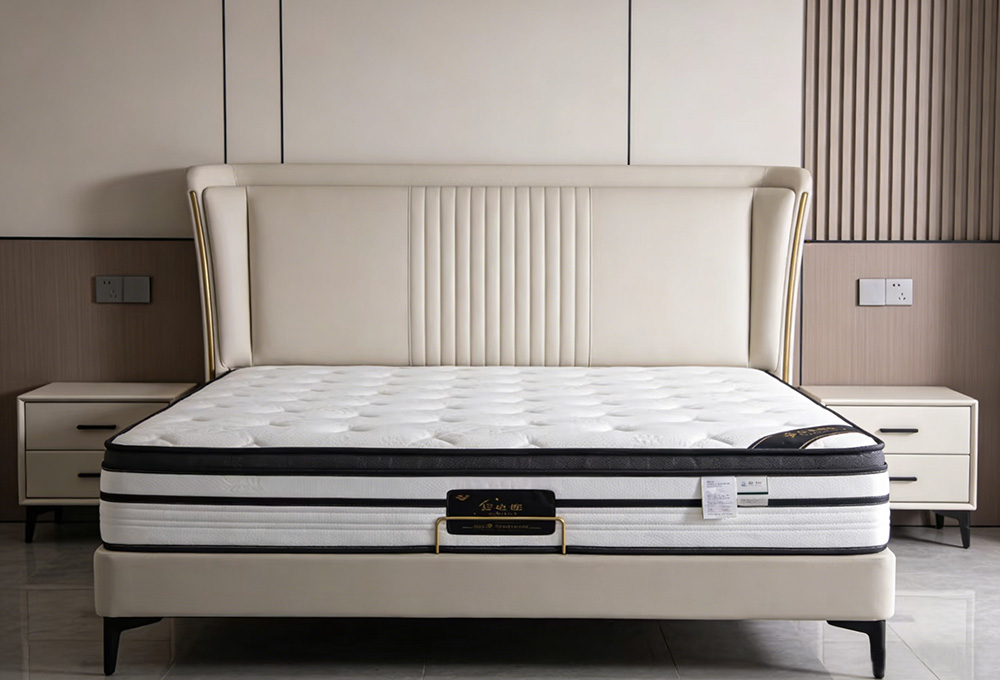
No single mattress is best for everyone. The right choice depends on your sleep habits. It depends on your body and budget. Innerspring offers bounce and value. Memory foam gives pressure relief. Latex is durable and green. Palm is firm and natural. Air mattresses are portable and adjustable.
When buying, focus on your needs. Test the mattress if possible. Pick a trusted wholesale supplier. Clean and maintain your mattress. This extends its life.